
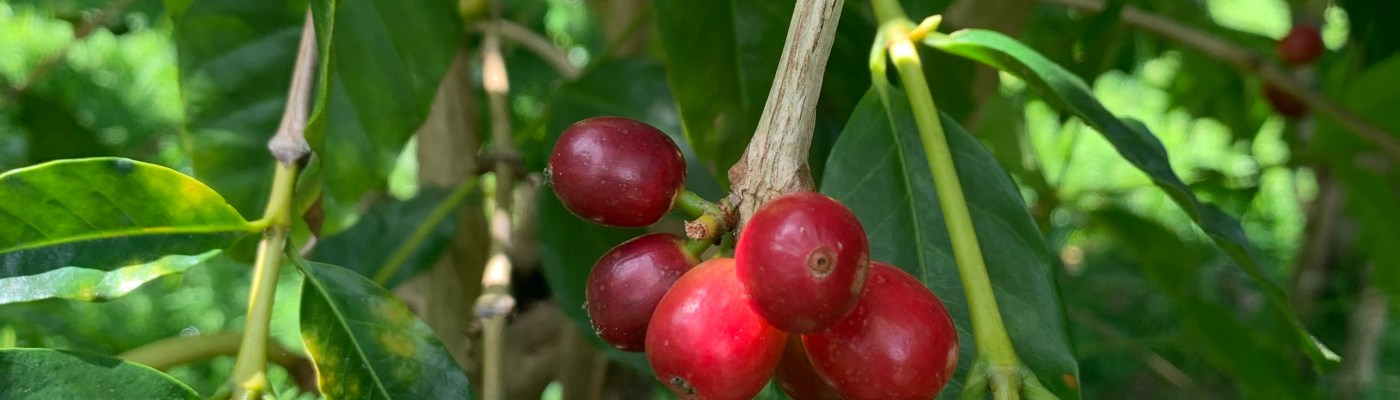
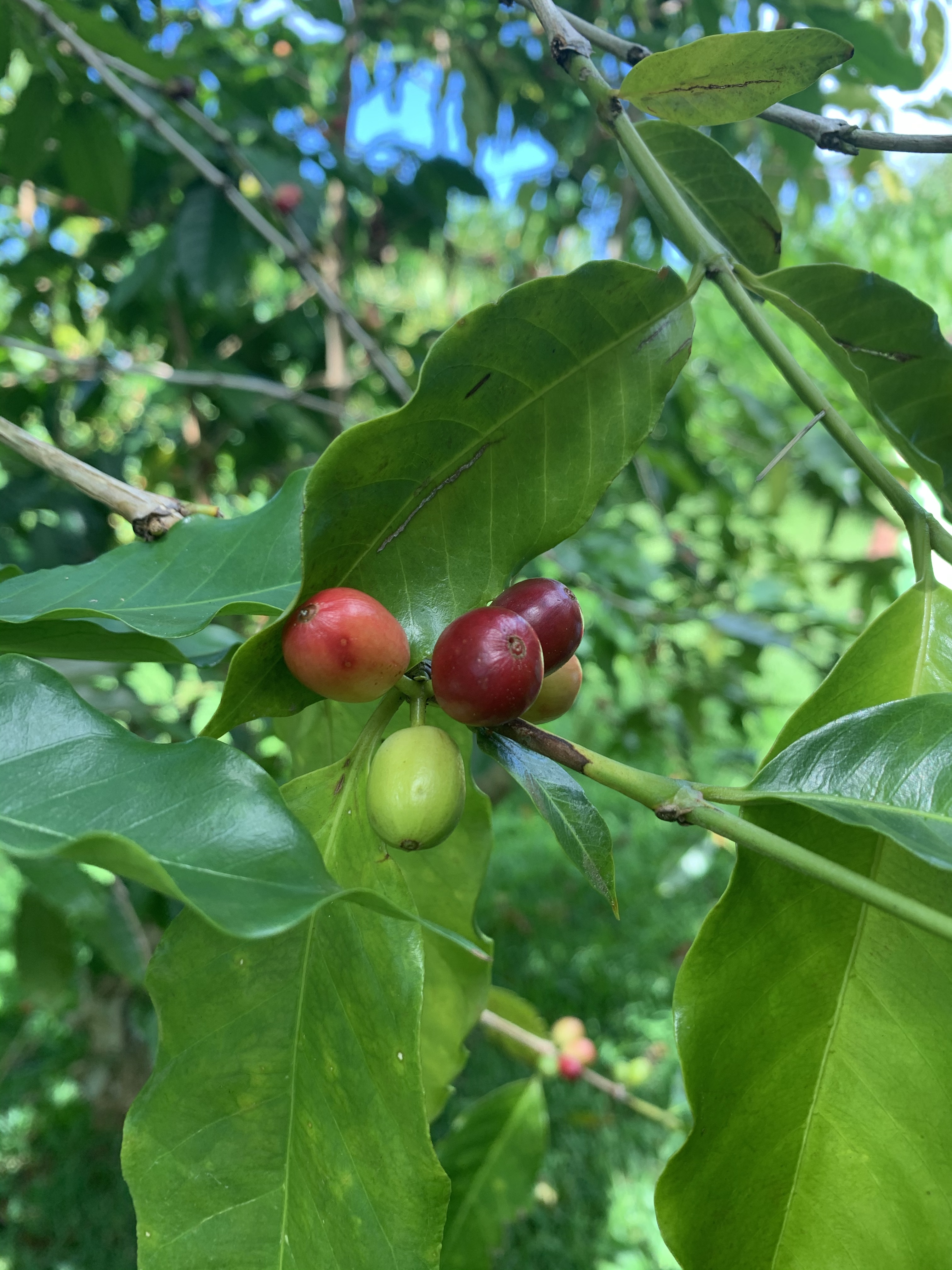
Let me start by saying, “I will NEVER look at a cup of coffee the same way again!” I had no idea the amount of science, patience, and hard work that “pours” into the process of coffee making. If I’m being honest, I didn’t even realize that coffee comes from cherries! They aren’t even real beans, they’re seeds!
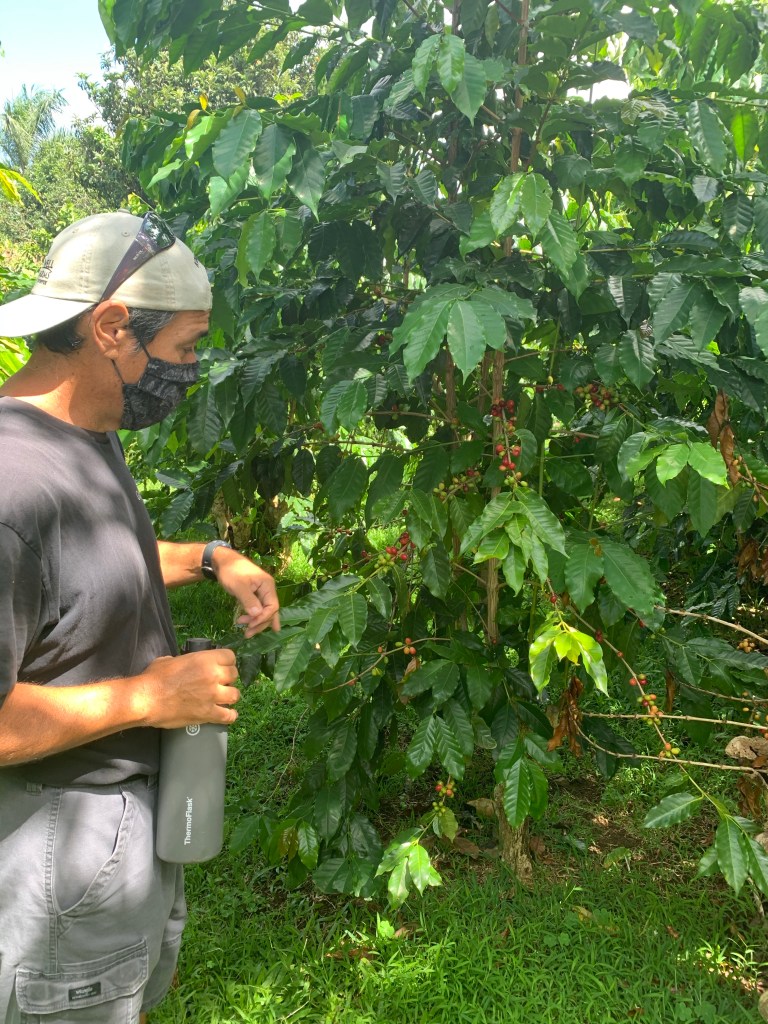
Last week, we had the delightful privilege of touring Greenwell Farms, located in Kealakekua (just south of Kailua-Kona), that has been growing coffee for over 150 years! As we pulled onto the grounds, we were immediately welcomed by a cool ocean breeze, 180 degree orchard views, and a spirit of Aloha from our very knowledgeable guide, Kawena. In true “Hawaiian-time” fashion, our tour of the grounds was leisurely and relaxed, allowing us to stroll through the lush green acres, full of flowers, fruit trees, and of course, coffee cherry trees.
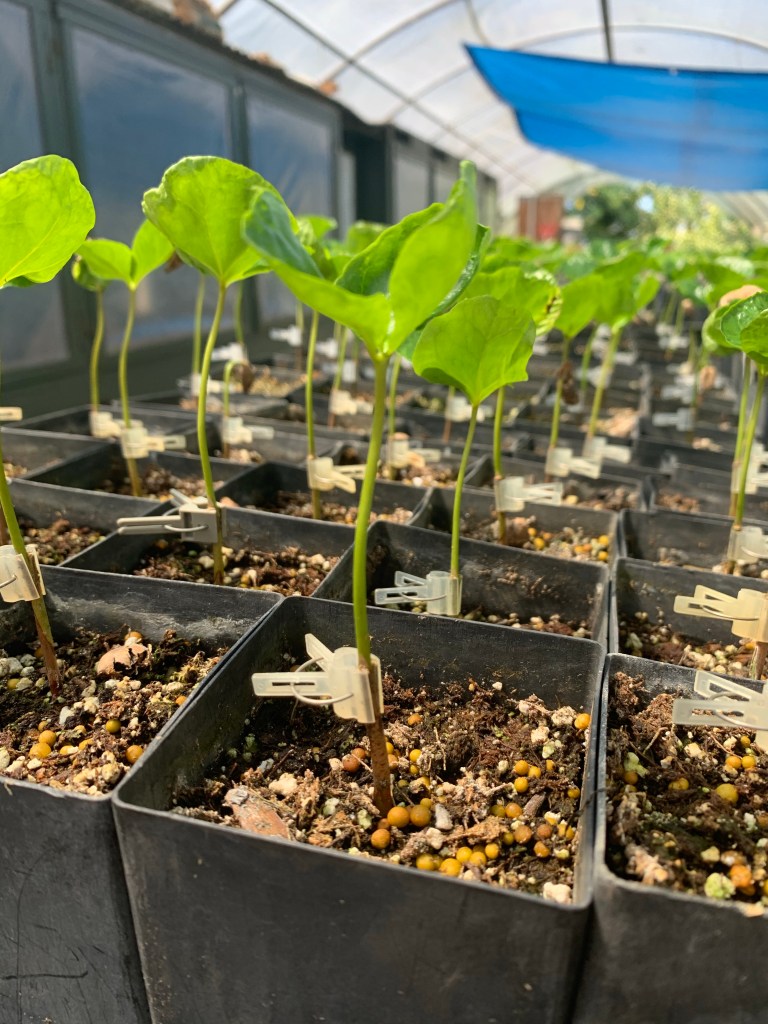
Here’s What We Learned: At Greenwell Farms they graft two different types of coffee plants together to create a seedling with a strong, insect-resistant trunk that also maintains the distinctive Kona coffee flavor. This is a painstaking process and takes surgical precision. The hybrids will hang out in the nursery for about a year before they are transplanted into the orchards. It will then take three to four years before the plants produce their first harvest.
Coffee cherries ripen in several rounds throughout the year. On large coffee farms, a machine strips the branch of cherries once a season. However, at Greenwell, each cherry is tenderly handpicked, leaving the green ones to be plucked another day. Each tree will yield about 1-2 pounds of roasted coffee every year. While that doesn’t sound like much, keep in perspective that it takes about 2,000 cherries to make 1 pound of roasted coffee! In addition, about 1/3 of the cherries are ruined each season by a menacing little beetle, the coffee borer beetle. No larger than a pinhead of a needle, it bores its way into the center of the fruit, where it lays its eggs and ruins the cherry.
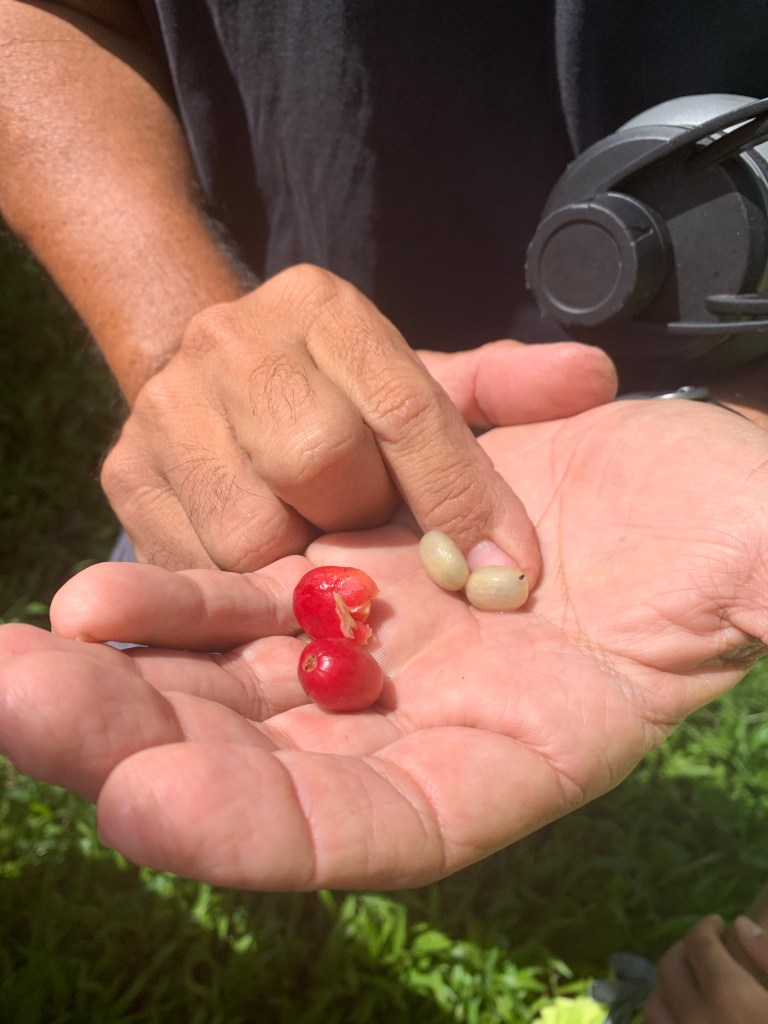
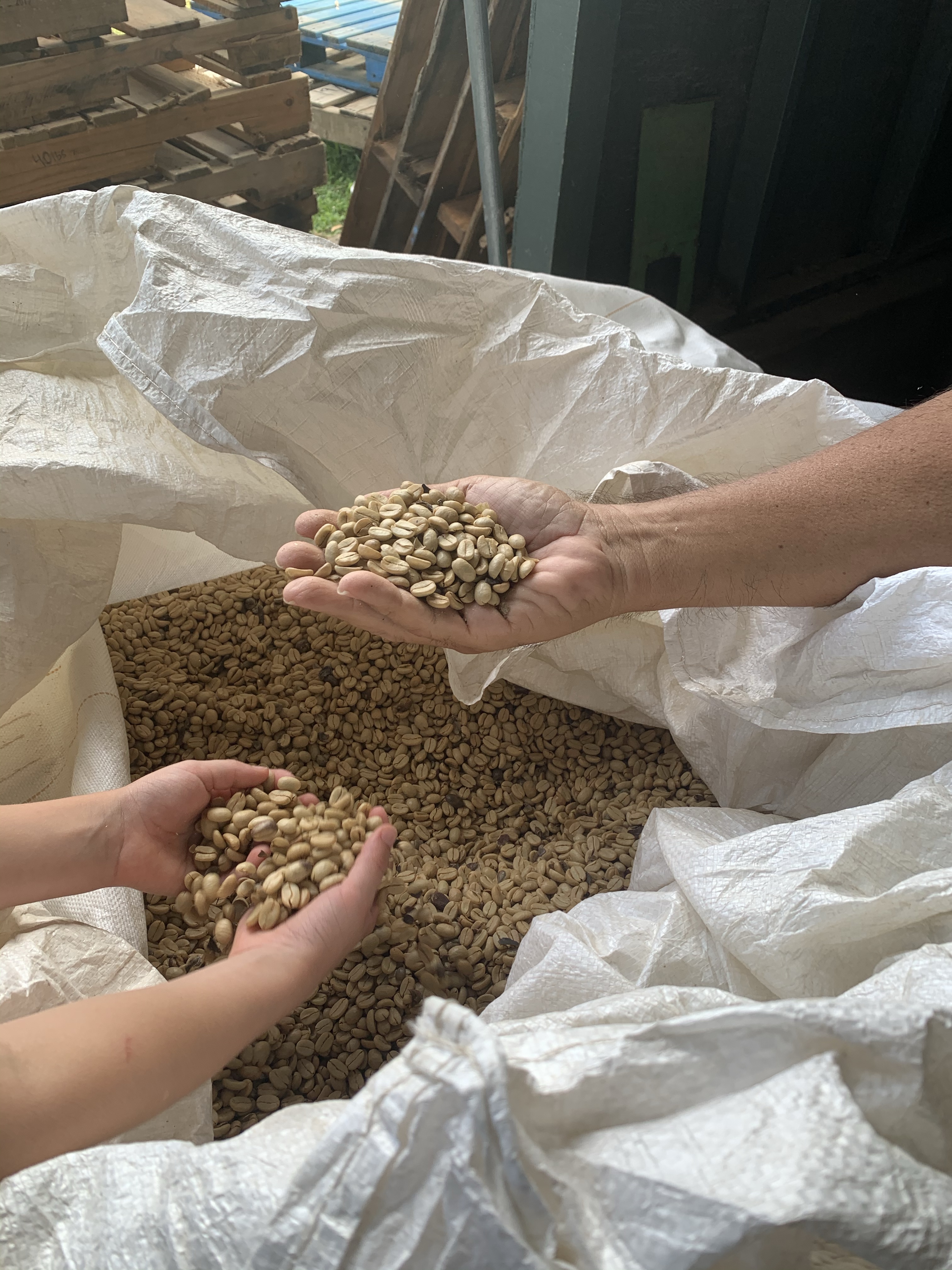
Once picked, a laser optical sorter separates the red ripe cherries from the green underripe ones. The ones that make the cut go through the pulp mill where the red skin and fruit is removed. The seeds are then spread out on giant flat “roof” apparatuses, where they soak up the sun for a few days, drying out in the process.
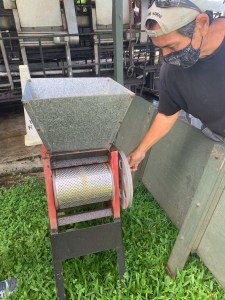
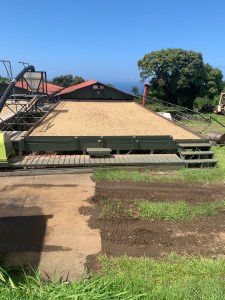
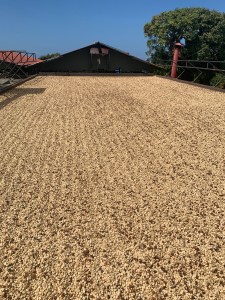

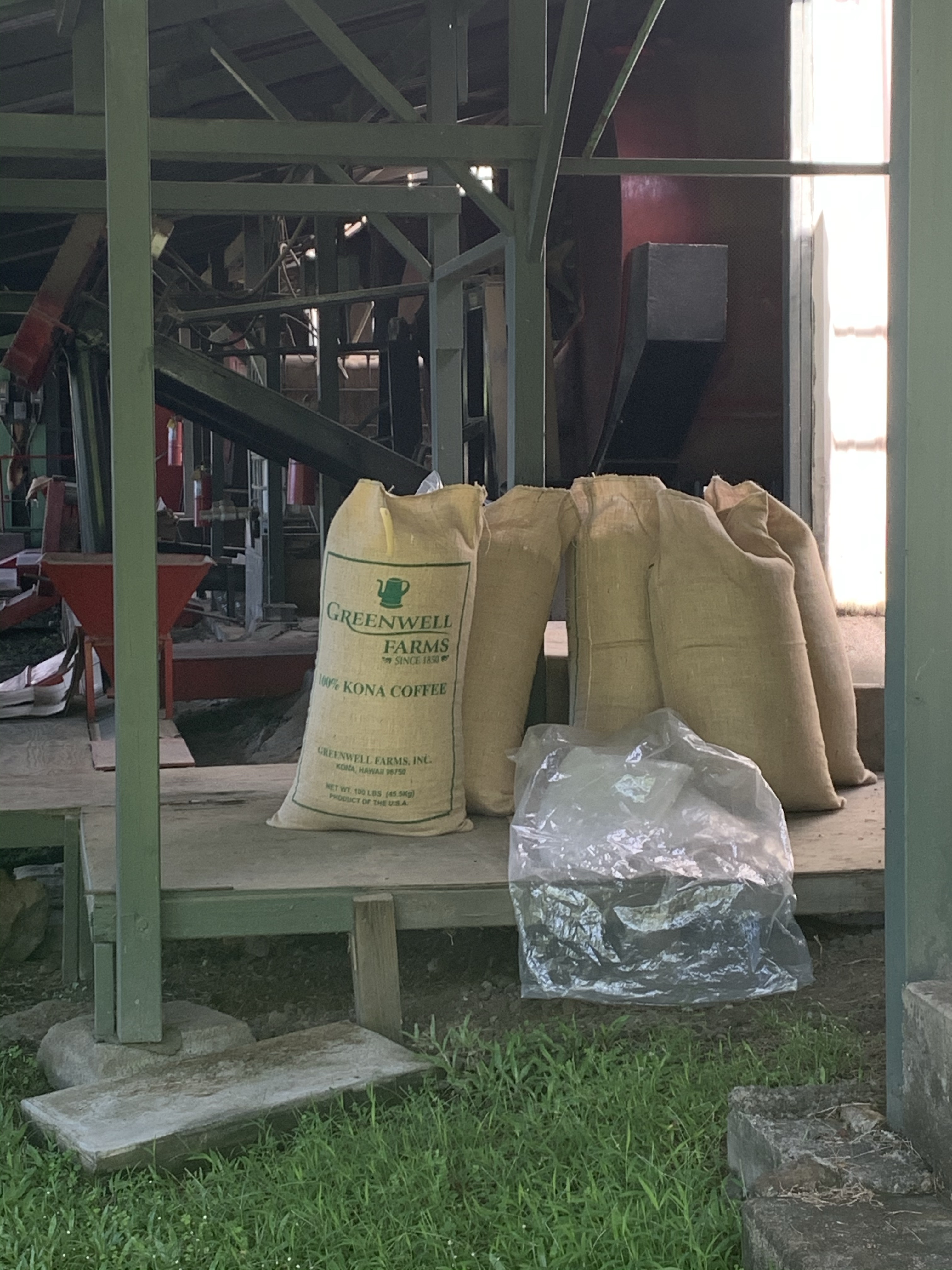
The dry mill is the next stop for the seeds. Here they are hulled and separated into sizes and grades. The dried coffee beans are finally placed into 100-lb bags, where they await inspection by Hawaii Department of Agriculture.
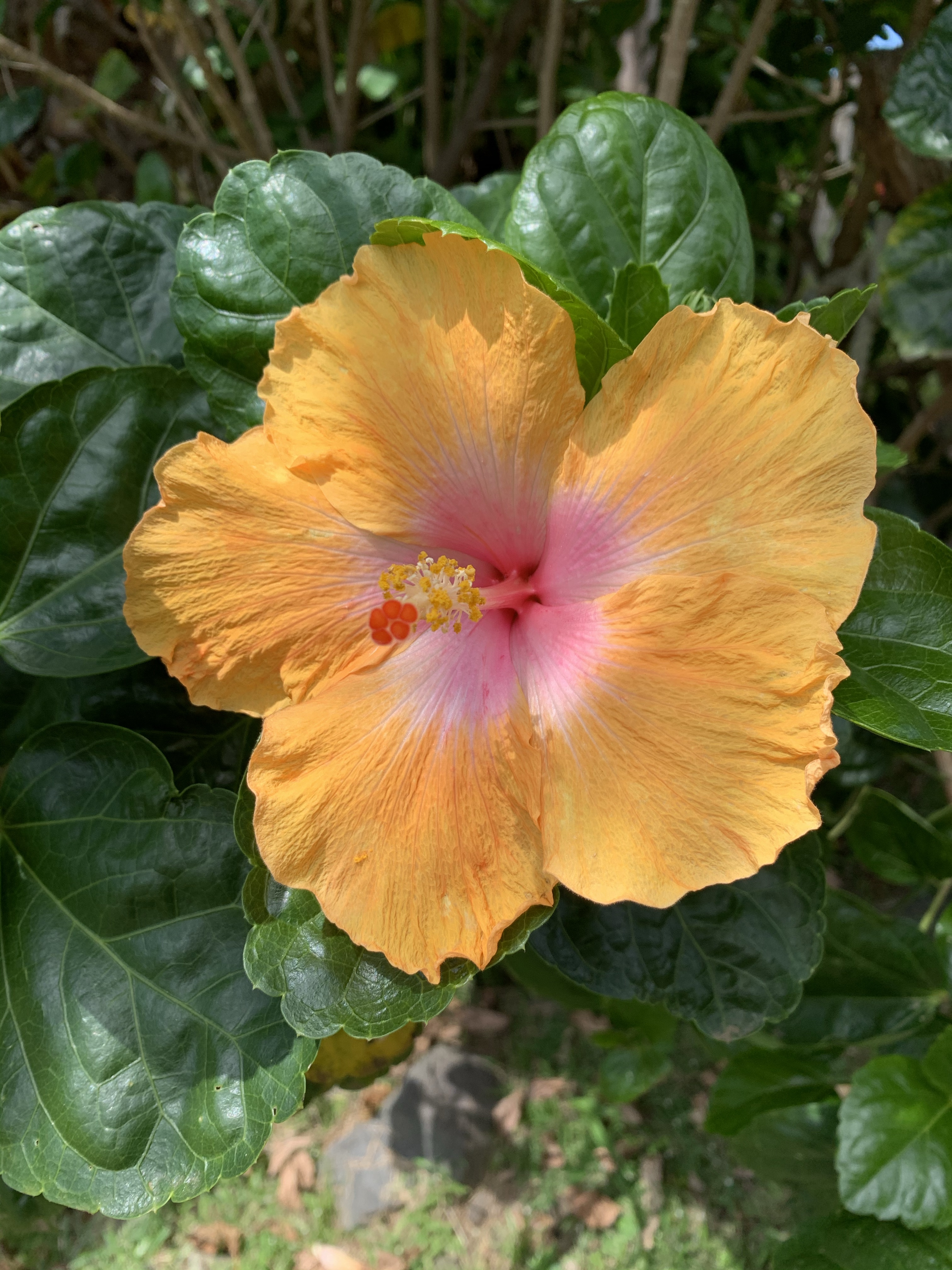
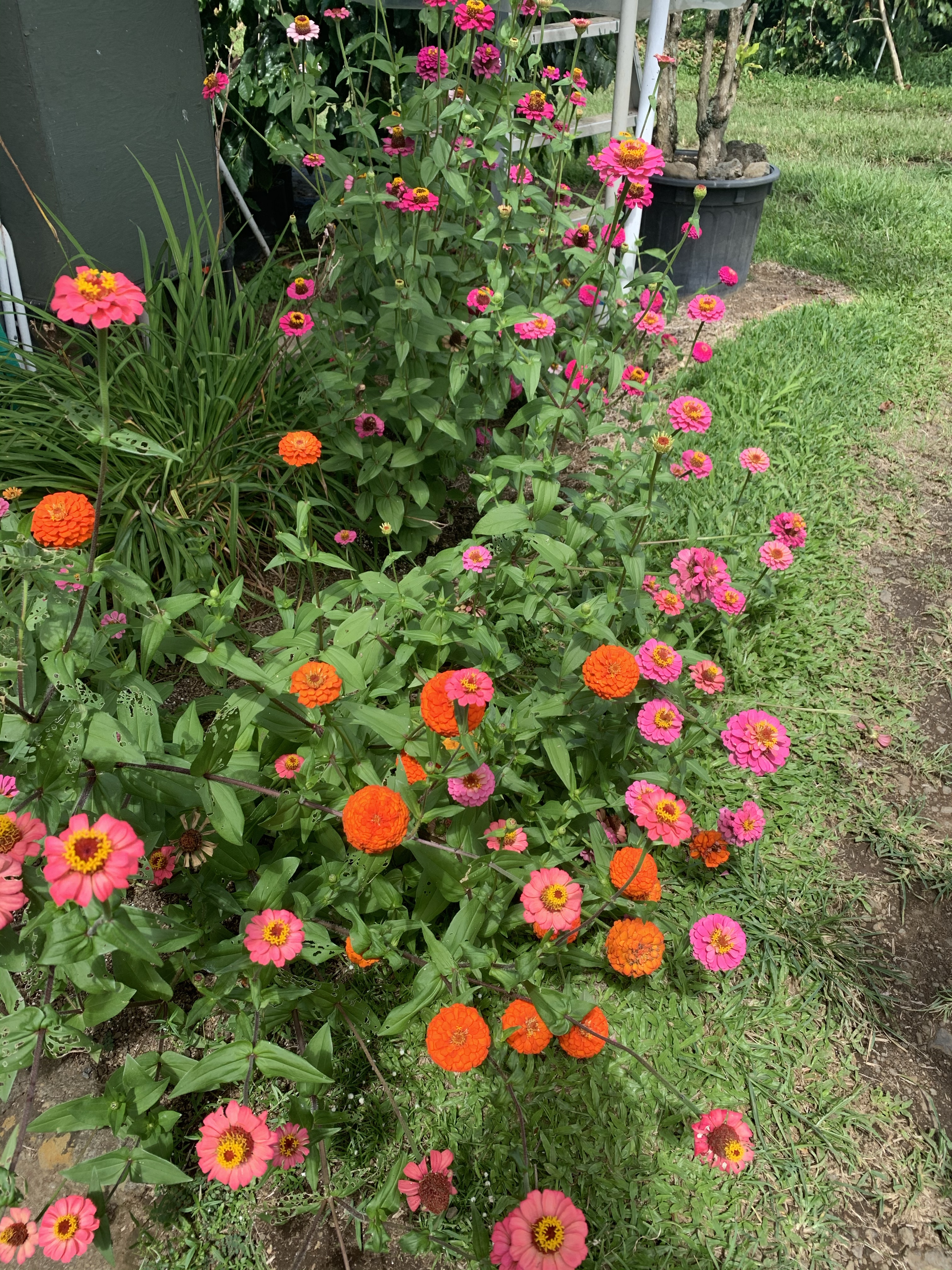
Aside from acres of coffee, the property is graced with century old mango and guava trees. Black pepper plants and vanilla beans silently bask in the eternal sunshine of Hawaii. Avocado trees, each with a few hundred avocados dangling from their branches (just waiting to be made into fresh guacamole) reach high into the bright blue sky. Flowers bloom in every corner and massive banana plants form a natural barrier in lieu on a fence.

Guava 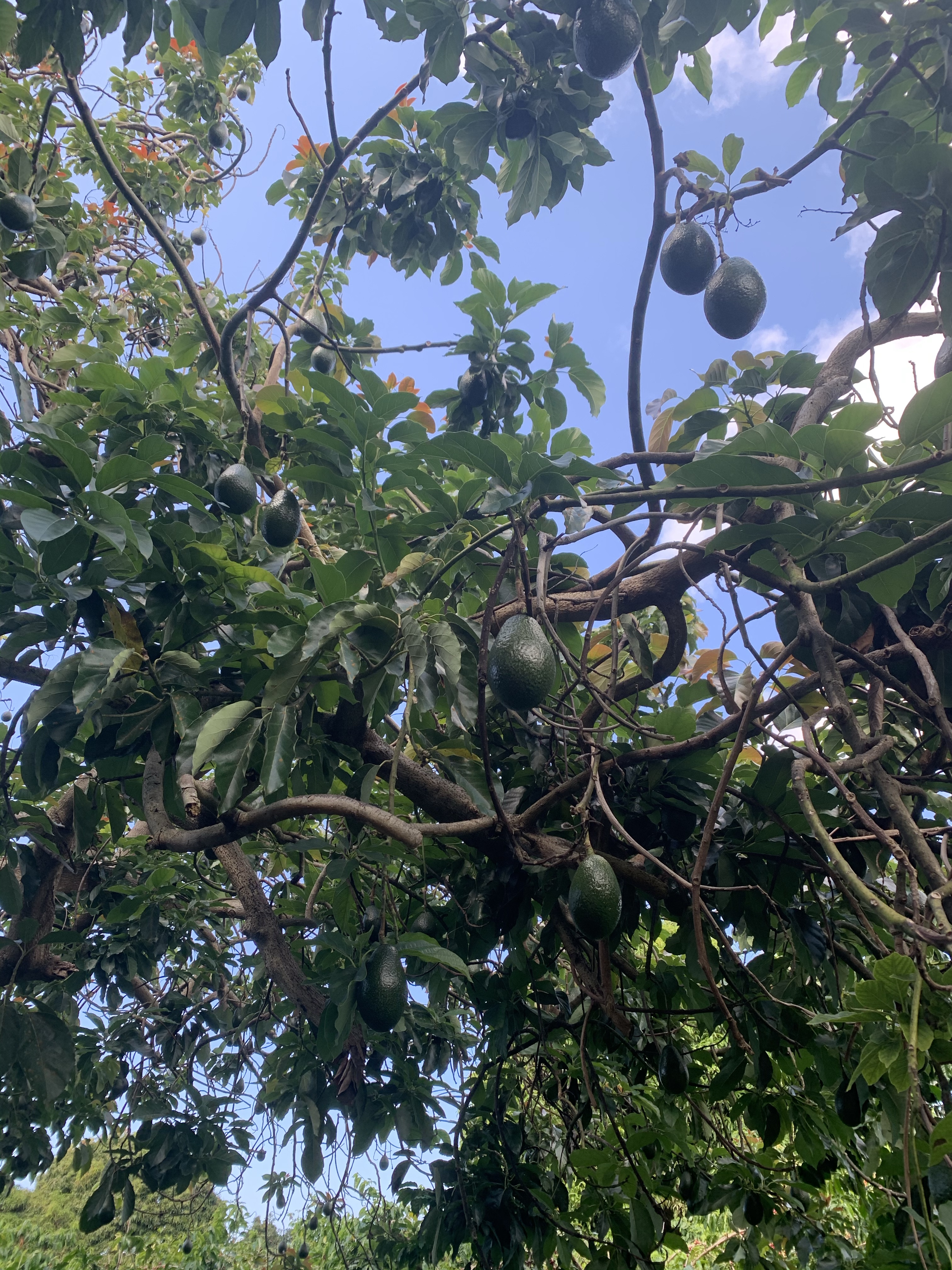
Avocados galore 

Vanilla Beans
At the end of our tour, Kawena invites us to make ourselves at home under the shade of an outside patio. His invitation is so genuine that I soon find myself relaxing at one of the many picnic tables, enjoying locally churned ice cream, while the kids pet the tolerant old gray farm cat. However, they are soon distracted by a chameleon slowly making his way across a nearby flowering purple bush. They gently take turns allowing him to crawl from one hand to the next, before carefully returning him to his previous venture. When it’s time to leave we are gifted with a handful of avocados and guava, freshly picked. We add them to our bag with our selections from the gift shop; chocolate covered coffee beans and a new magnet for our collection, to remind us of our time well spent at Greenwell Farms.


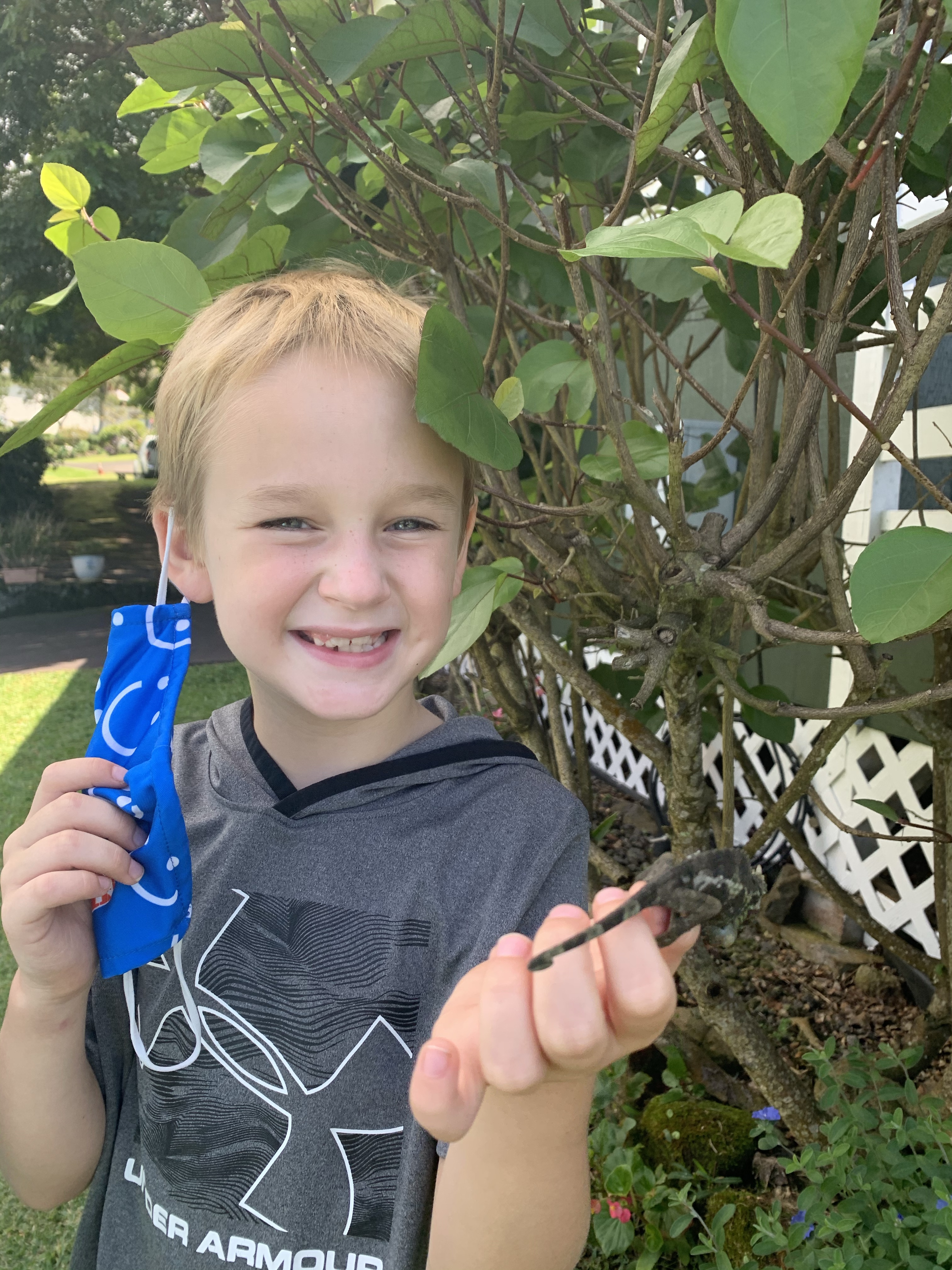

 The Cunningham Crew
Love the story of the coffee, you are right, i also will never look at my coffee the same way. Love the pictures especially of the grandkids. 🙂
LikeLiked by 1 person