
We can barely “bee-lieve“ it, but we have already been “buzzing” around Hawaii for 4 months! Knowing that the next two months will “fly” by, we are “bee-ing” intentional about making the most of the time we have left here on the Big Island. Included on our list of things we don’t want to miss is a field trip to the local honey farm, Big Island Bees.
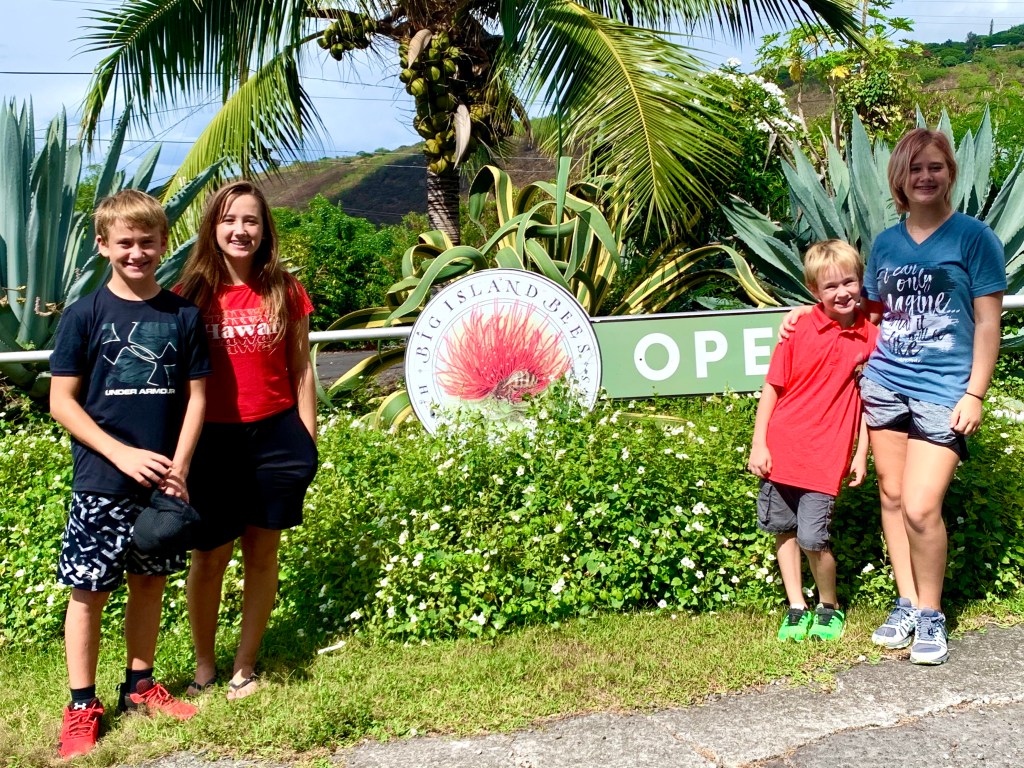
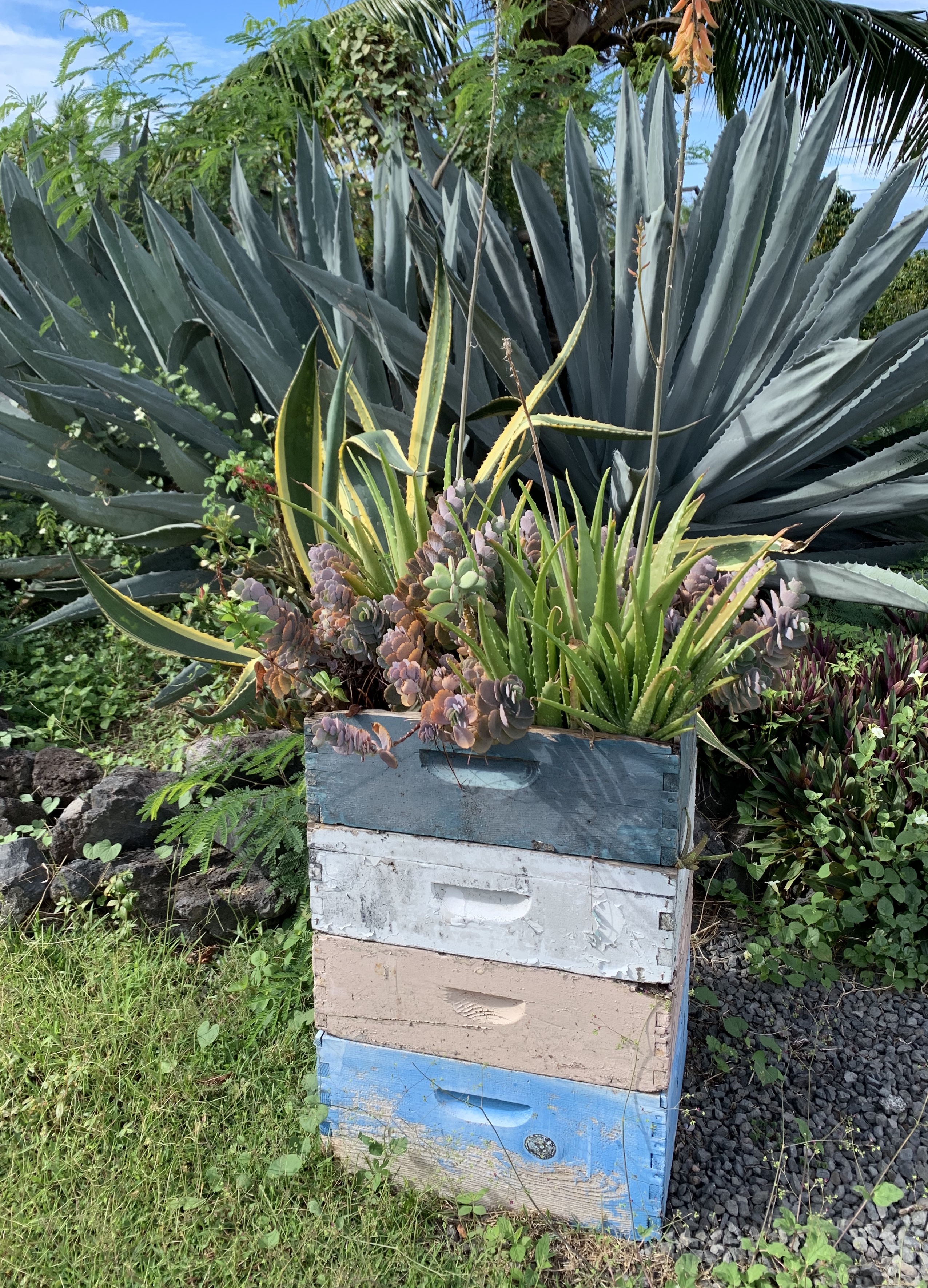
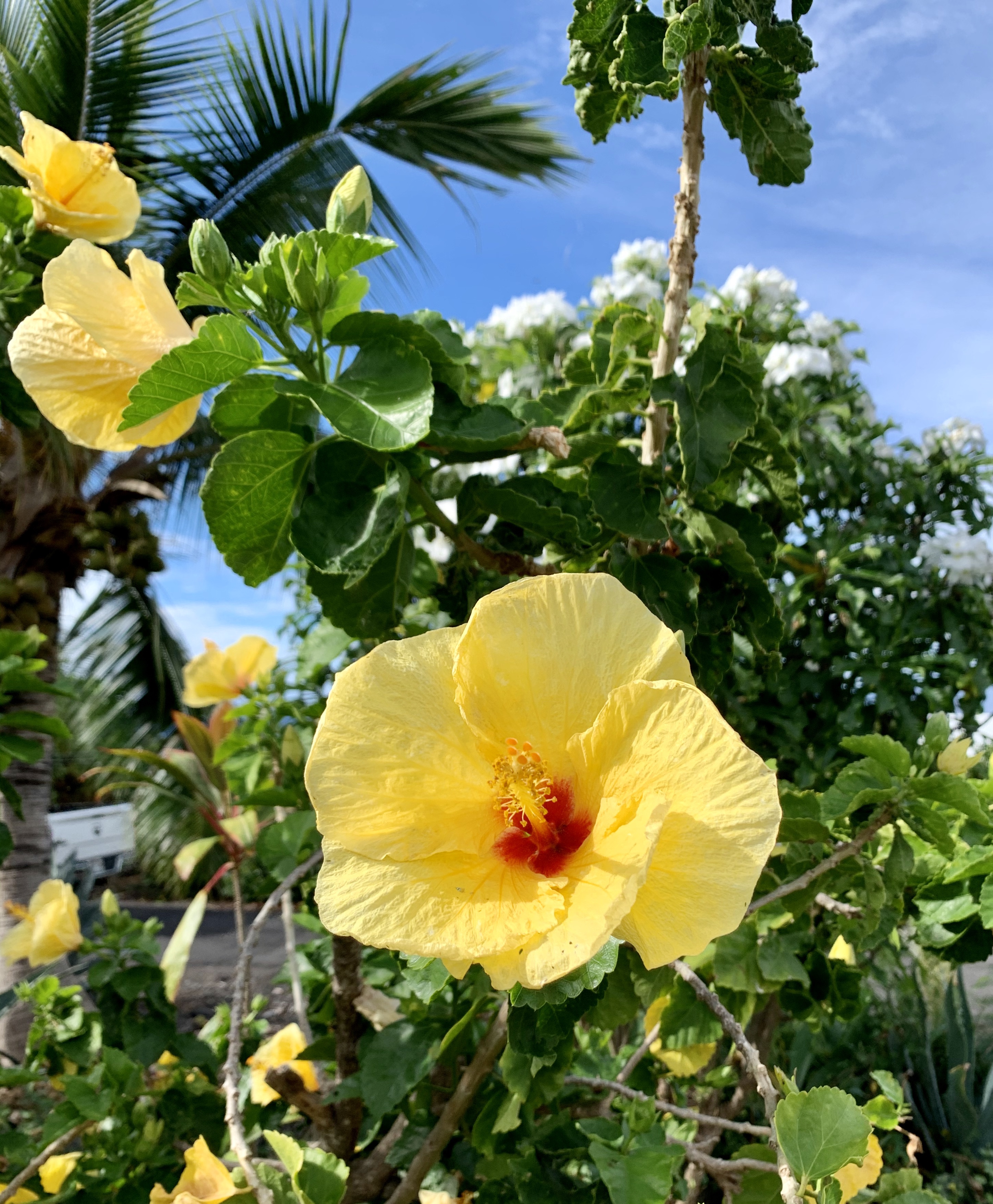
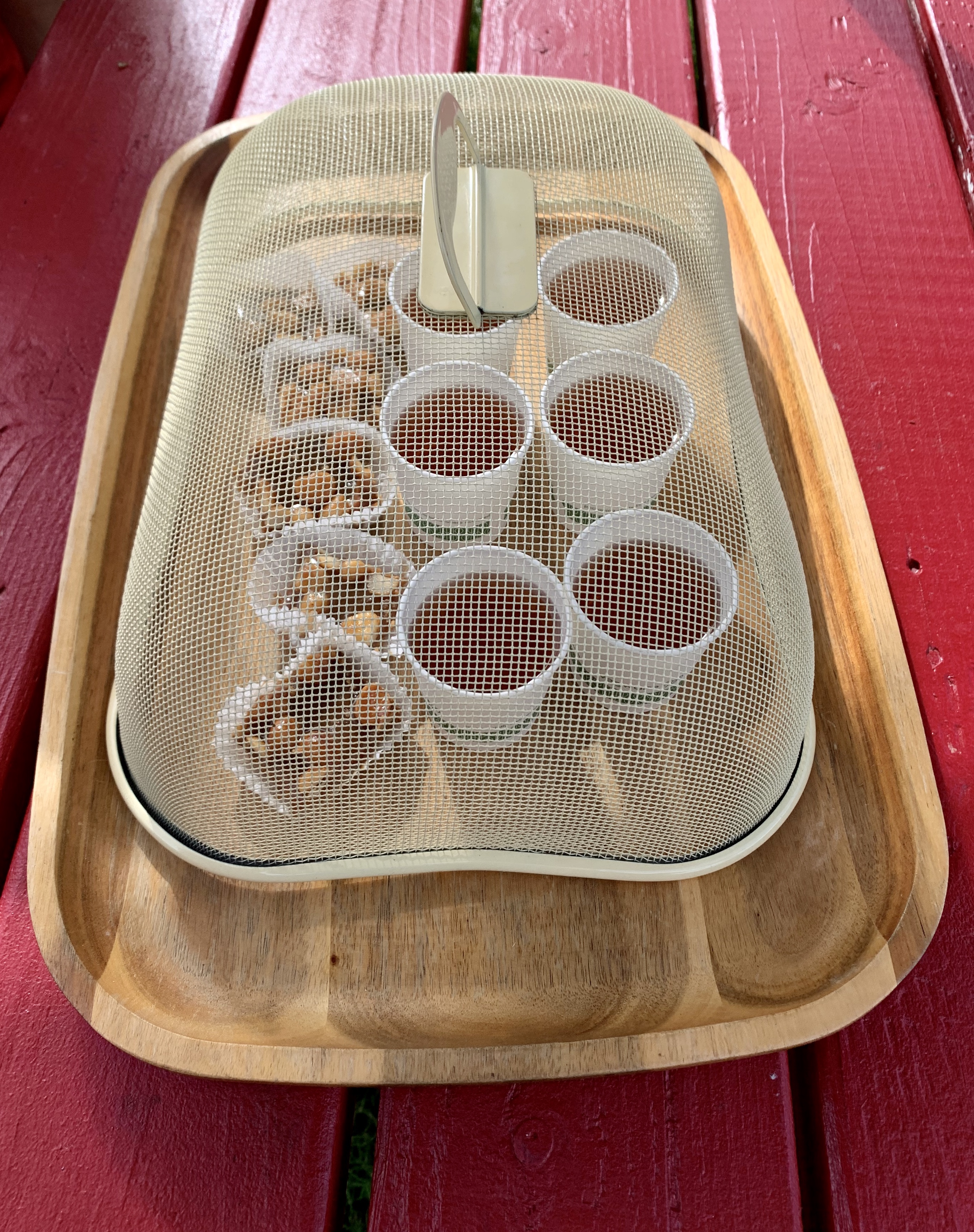
Arriving at Big Island Bees for our reservation, we are greeted with a wooden serving tray full of honey caramel macadamia nut tarts and tea. We are encouraged to have a seat at one of the nearby brightly painted picnic tables and enjoy our samplings while we wait for our tour to begin. The grounds are quaint, complete with what appears to be a broken down old flat bed truck still loaded down with beehive boxes. The peaceful little farm is framed by tropical blooms and prehistoric looking agave plants contrasting against the blue backdrop of the Pacific Ocean.
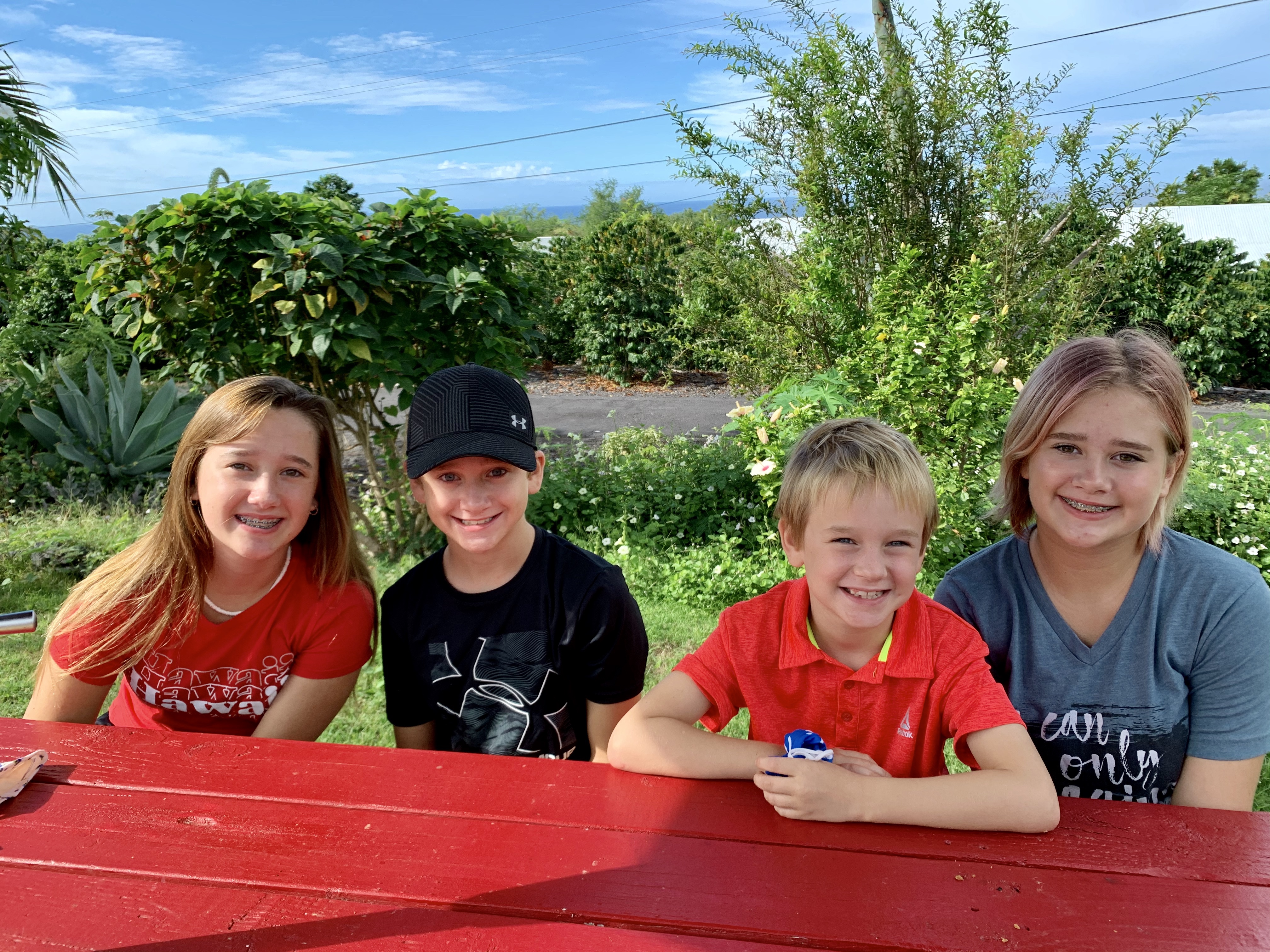
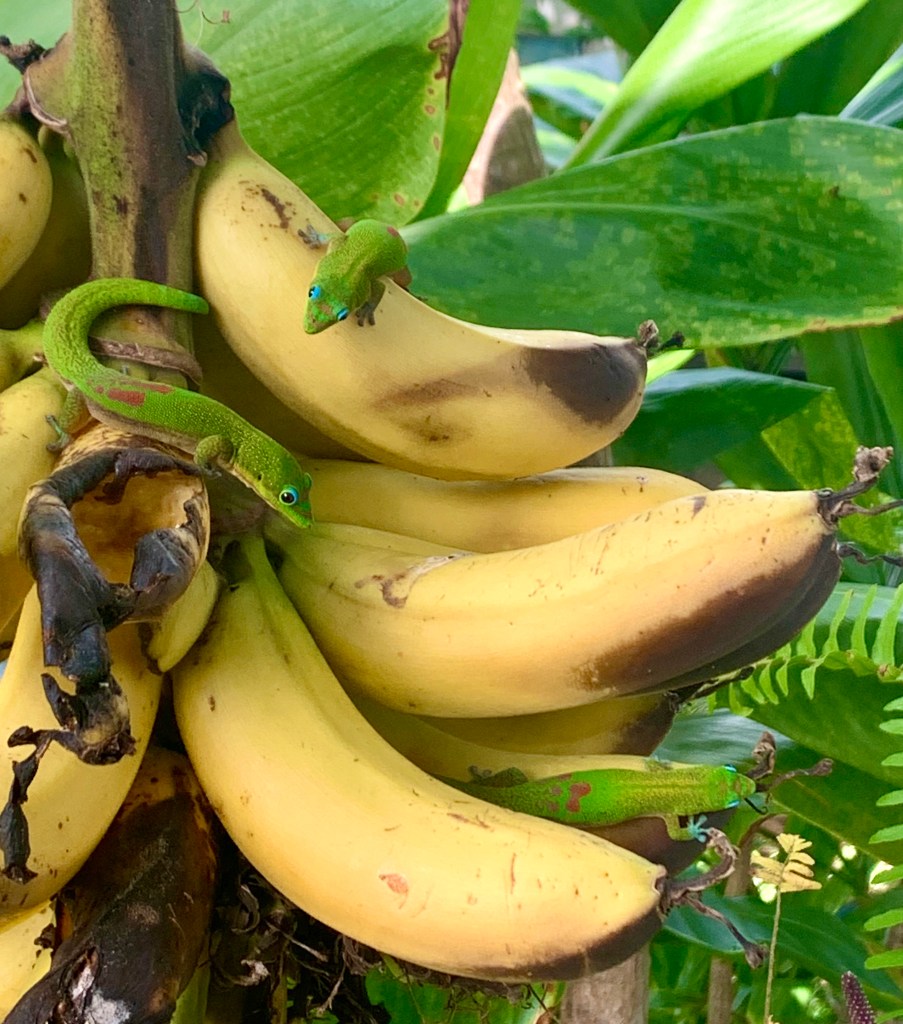
Soon enough our tour guide for the morning, Lisa, calls us over to a viewing room to watch a short presentation on the process of Hawaiian honey production. Before entering though, a bunch of overripe bananas hanging from a rope catch my eye. Leaning in closer, it becomes evident the bananas are a treat for certain little guests who have quite the sweet tooth !
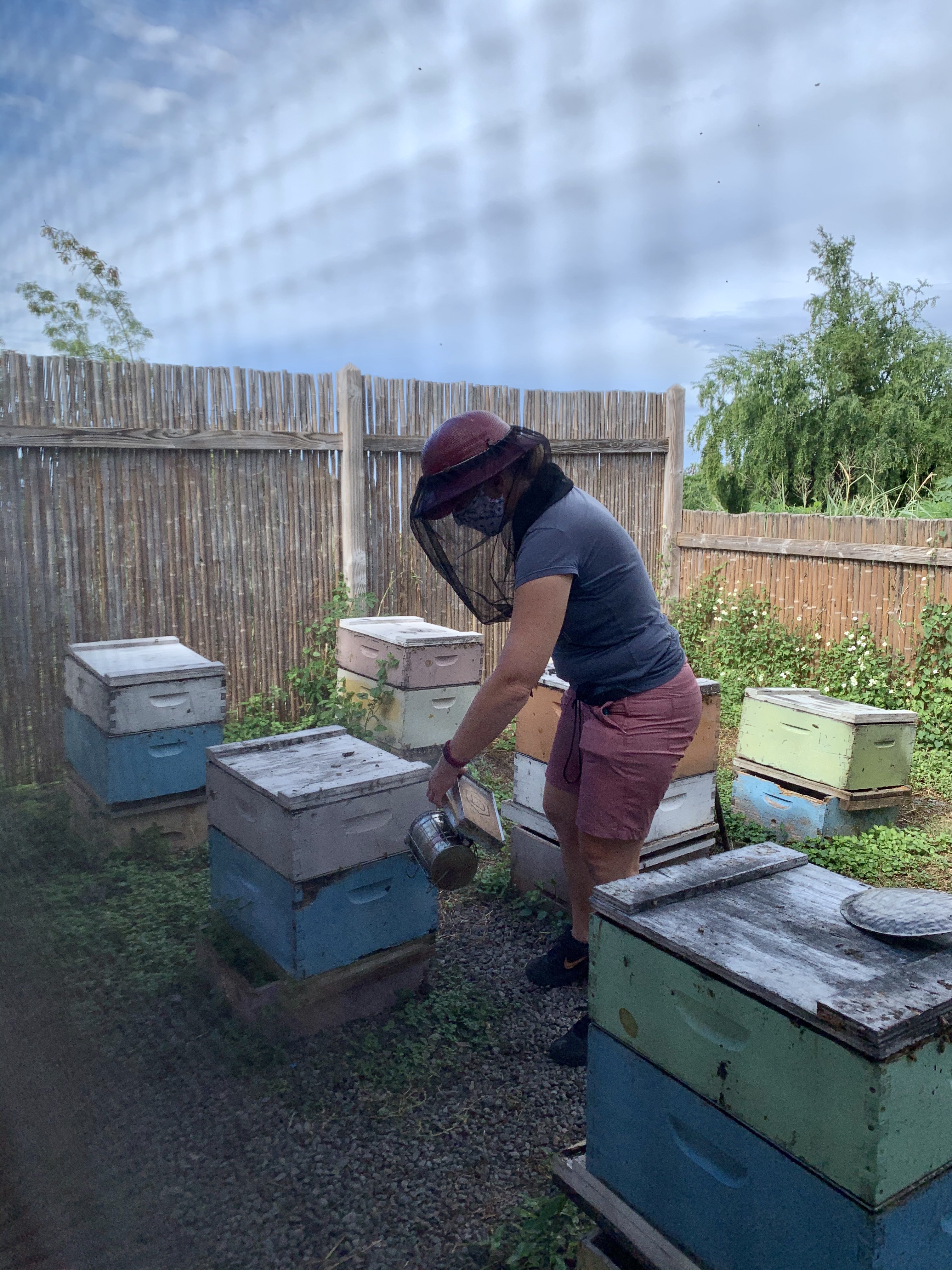
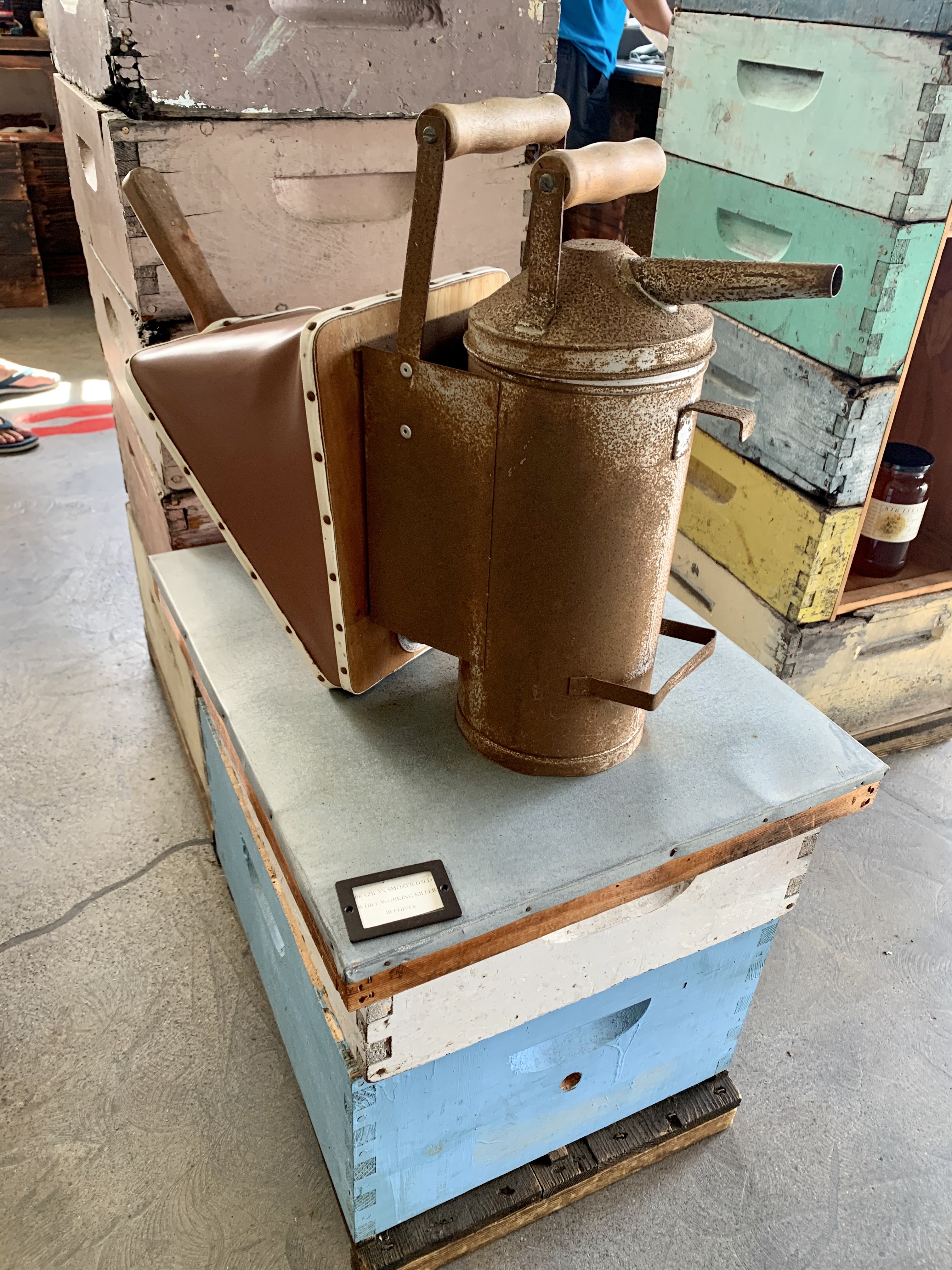
Crossing the lawn, we are escorted to an L-shaped outbuilding with giant screened windows, where a small apiary (bee yard) lies in the center. Armed with only her uncapping knife (used for prying open the lids), smoker, and beekeeping veil, she enters into the bees domain without hesitation. She quickly selects a beehive to inspect and gets to work.
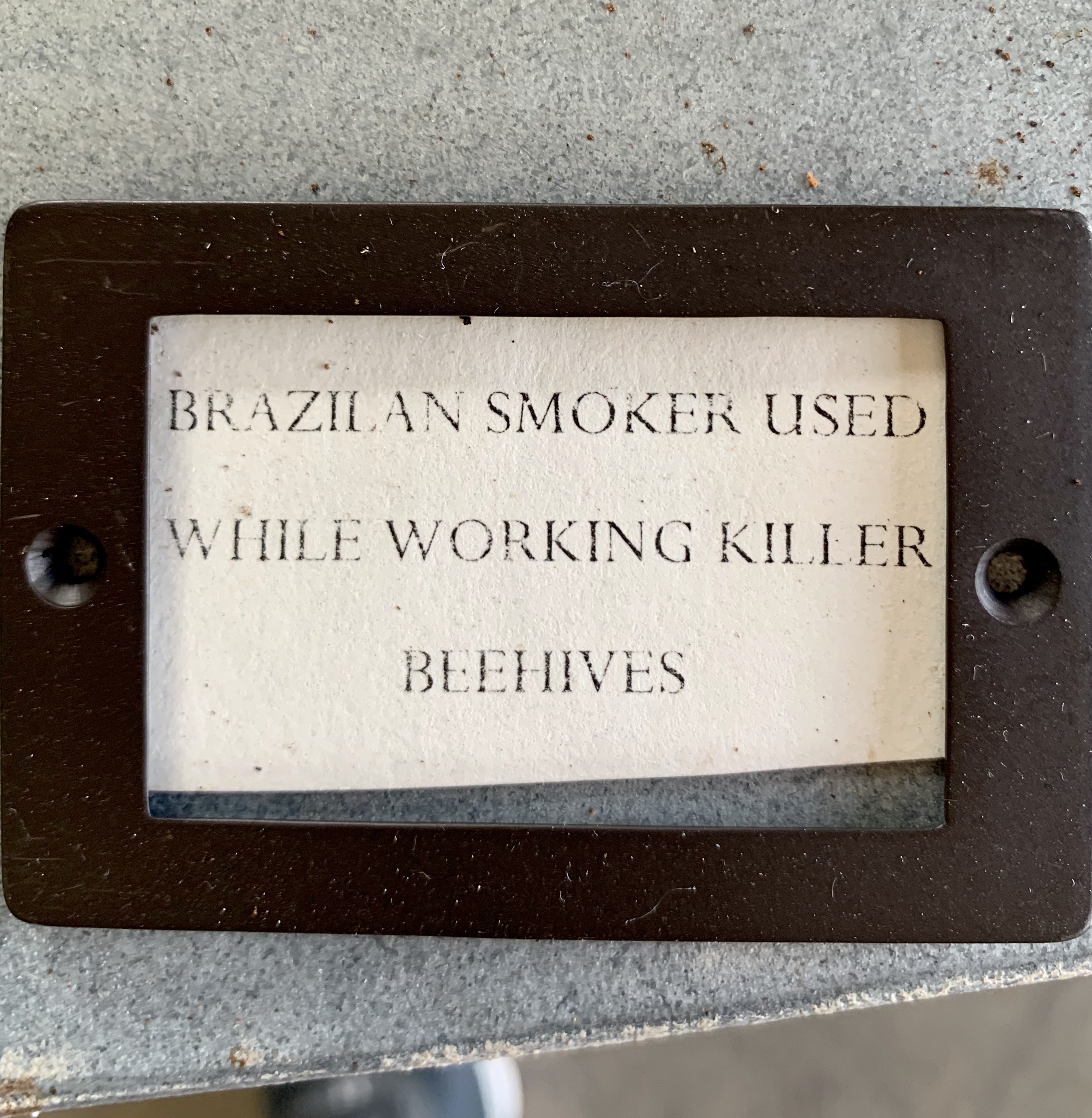
Using layman’s terms, she explains that smoke alerts bees to “grab their valuables, a.k.a. honey” just as if our home was on fire and we wanted to grab what was most important to us. Smoking does not harm the bees and she uses very little as they seem unbothered by her presence. She affectionately refers to this group of ladies in the apiary as her “show girls”. While using her uncapping knife, we learn propolis (bee duct tape) is made by bees to seal their hives. It is so strong that unless you have this special tool, you will most likely not be able to lift the lid off the hive.
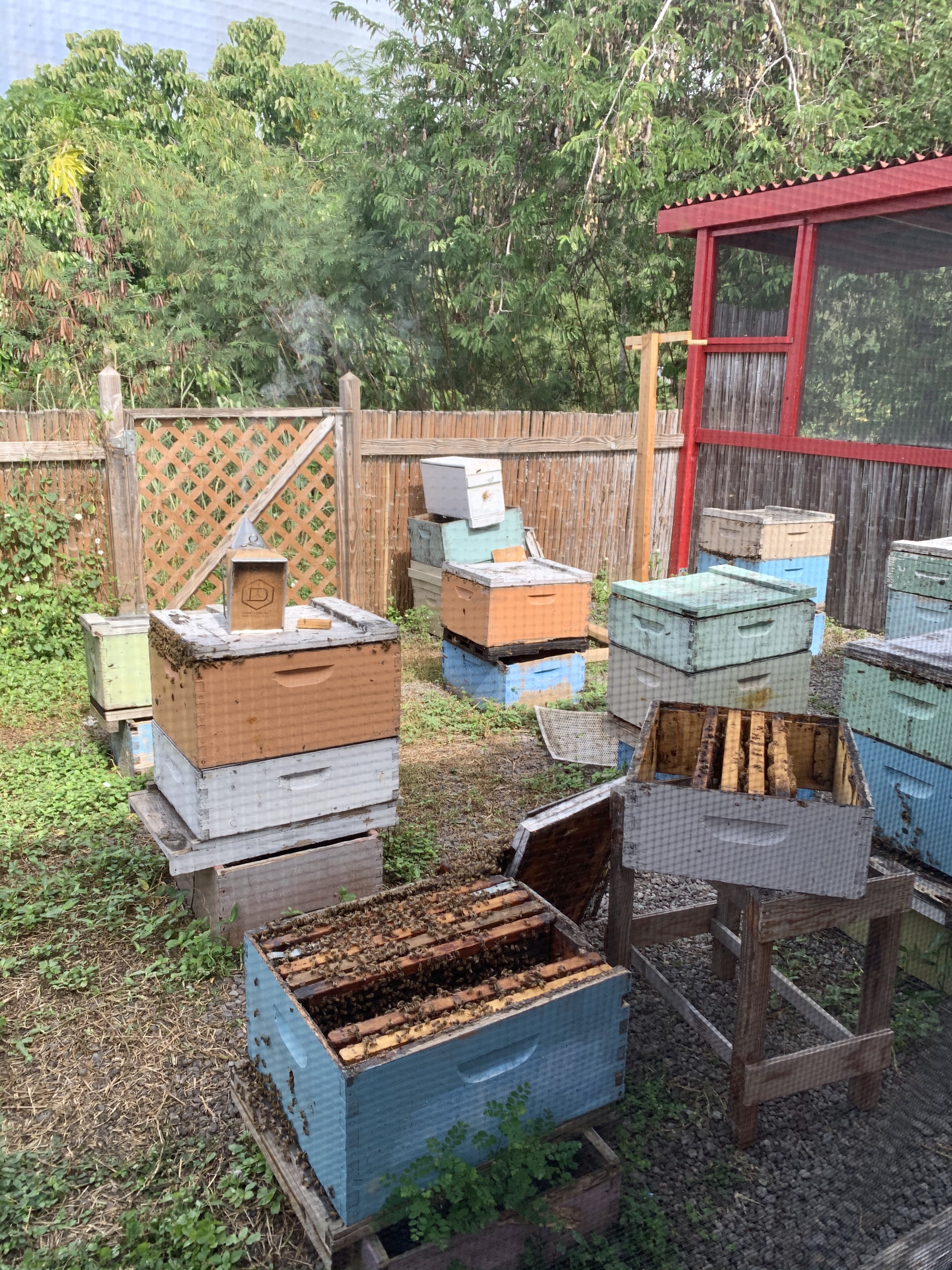
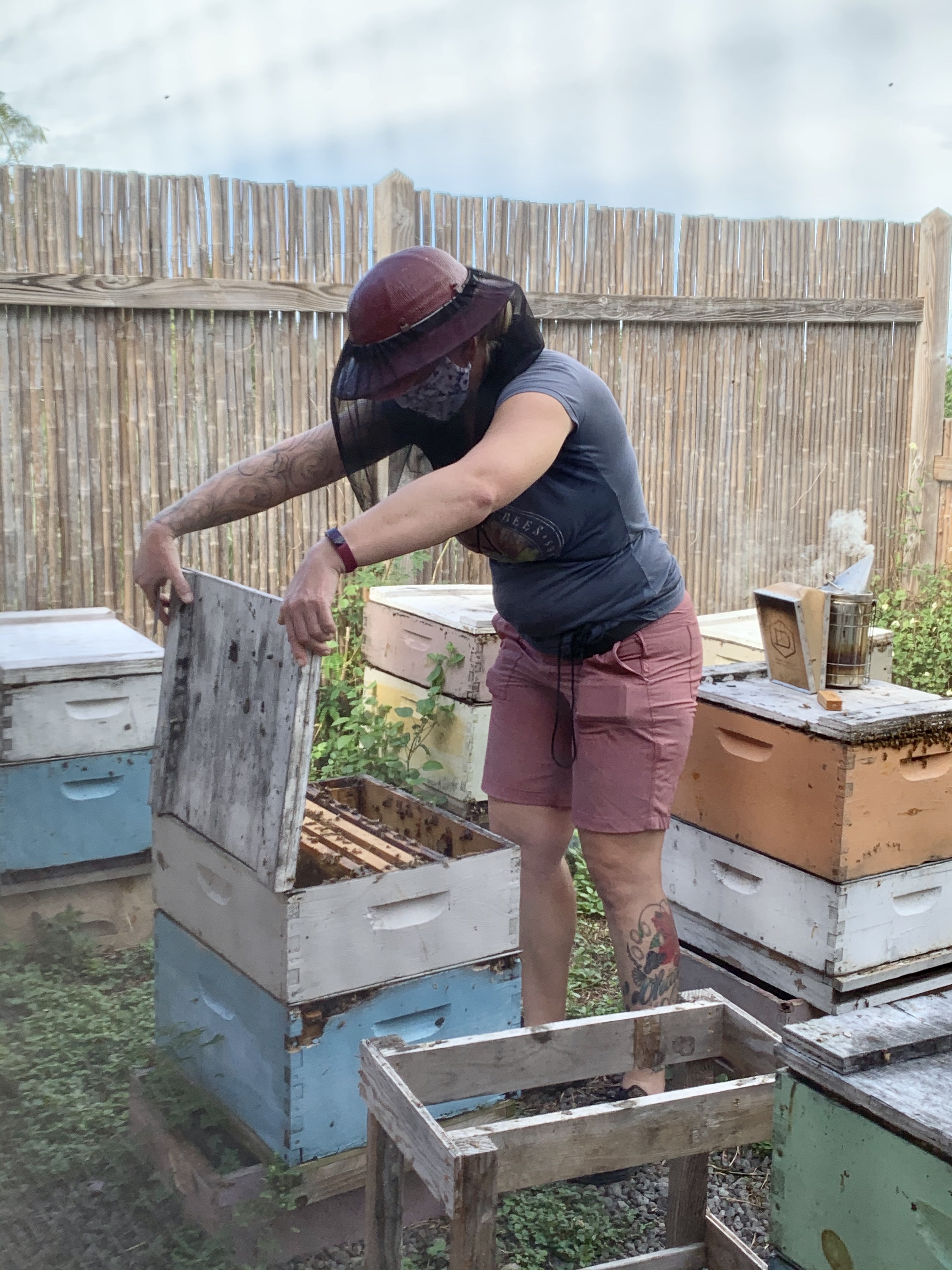
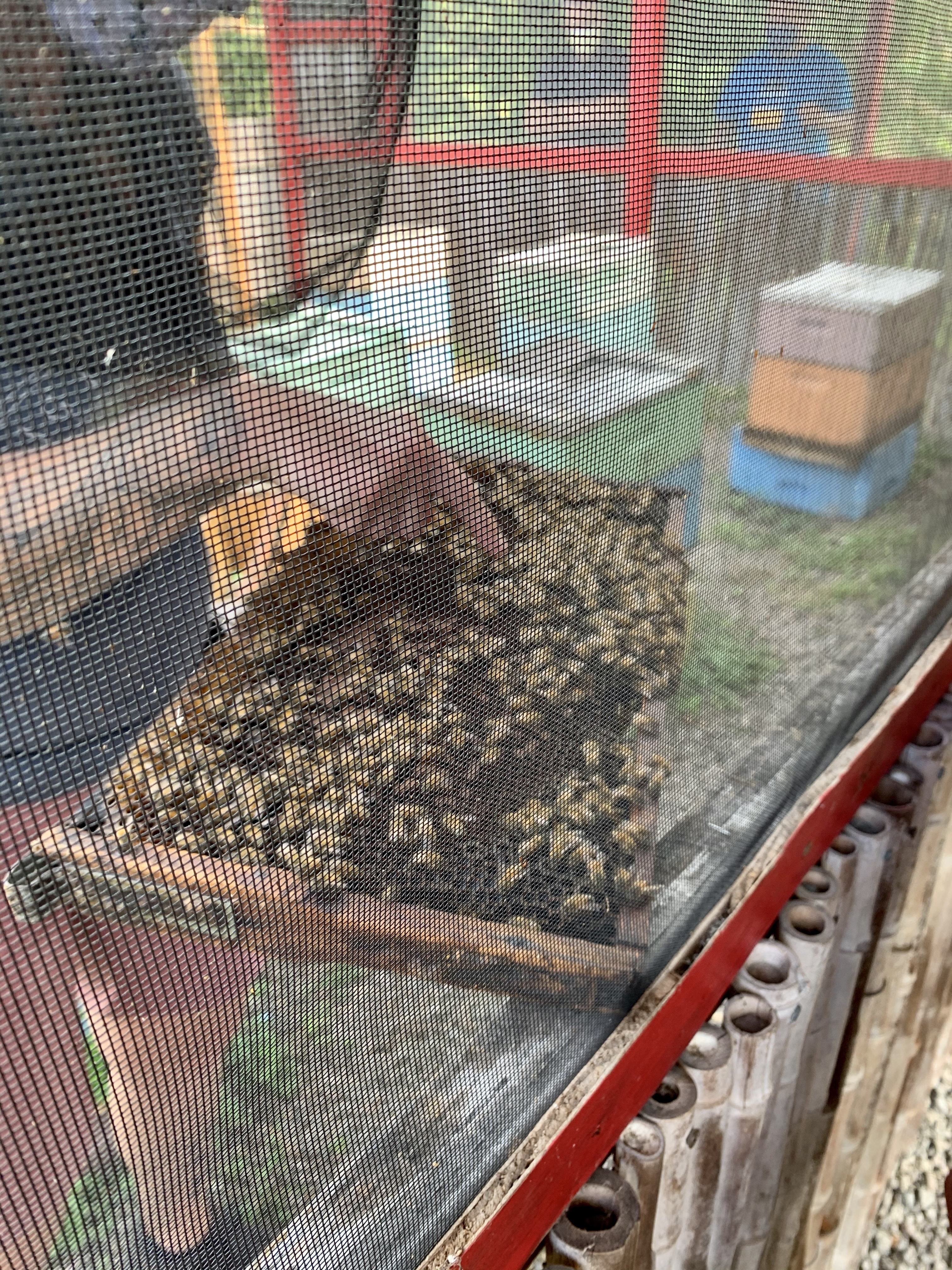
Once the lid is removed she lifts off the super (box that bees collect their extra honey in). Beneath the super is a metal grate called an excluder. This keeps the queen bee in the brood box, because she is too large to crawl through the openings of the excluder. Within the brood box are frames, each with a specific purpose within the hive. The middle frames are where the queen lays her eggs, an average of 2,500 per day!
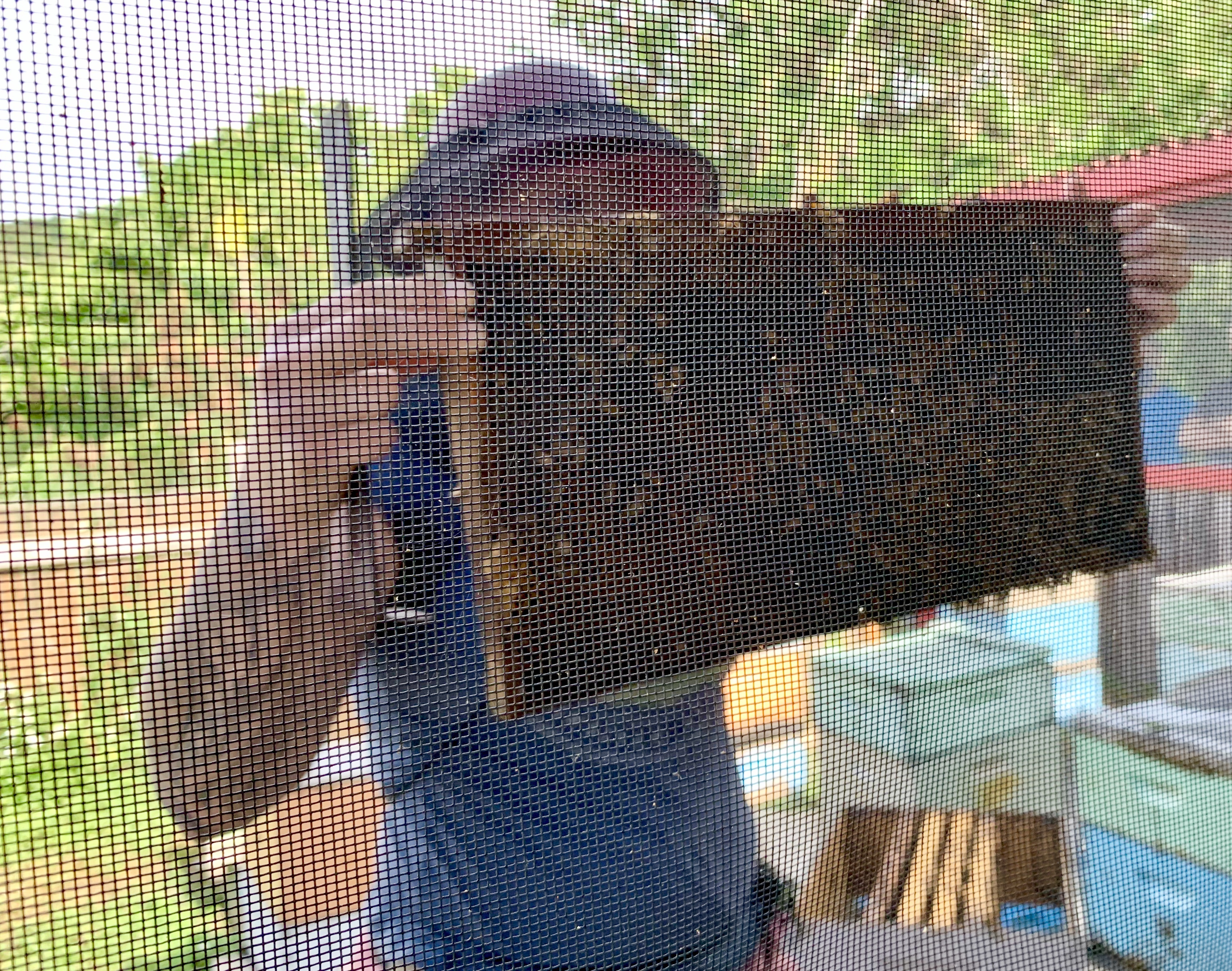
Lisa, clearly knowledgeable, points out all the different intricacies of the hive, including the worker bees, drones, and finally the queen bee! She lifts each frame with her bare hands while thousands of bees buzz along, sometimes dangling off one another, not even seeming to notice her.
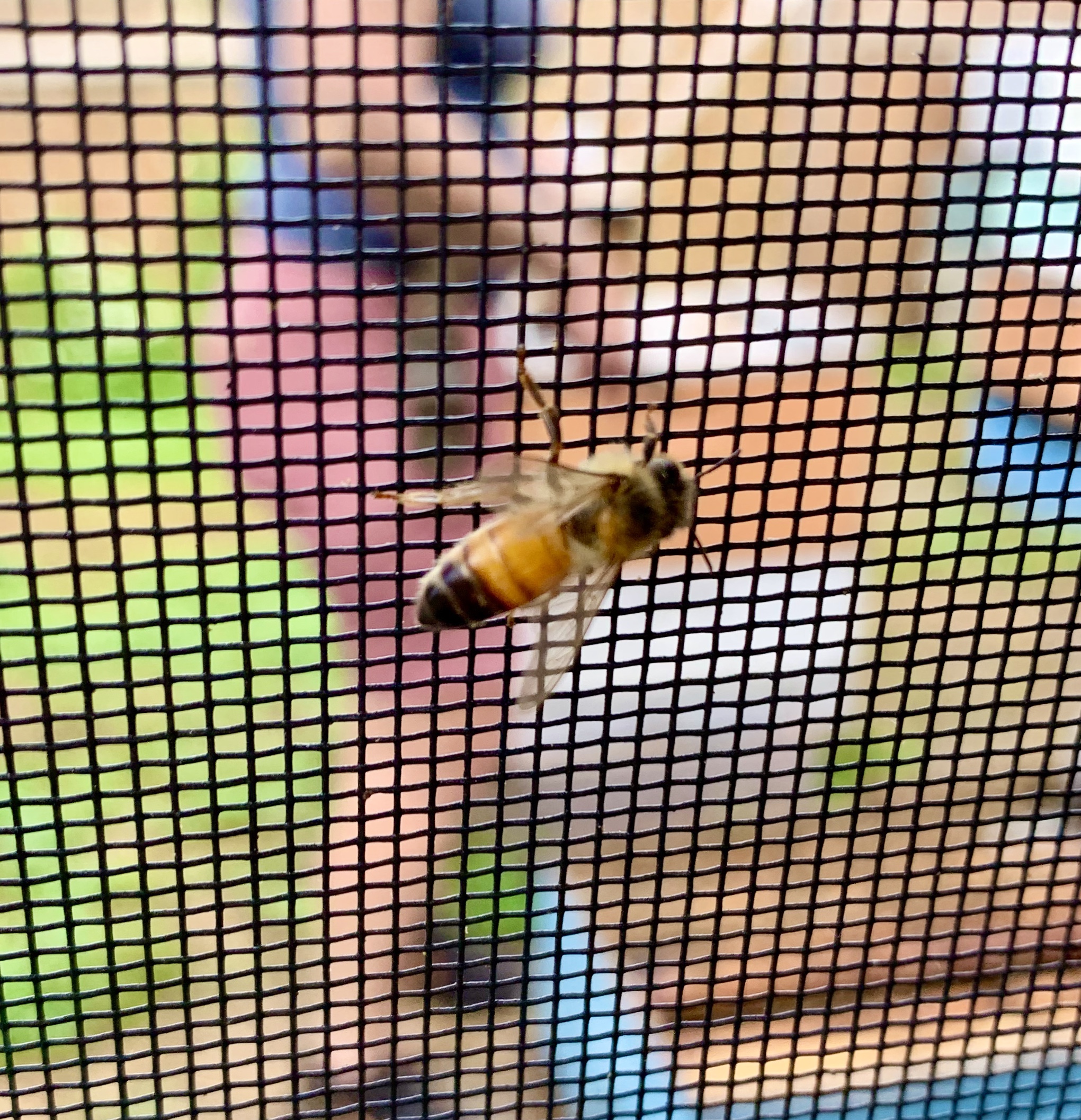
Here are some fun facts about honey bees:
- Worker bees only live 4-6 weeks, while a queen can live up to 5 years
- A queen bee will lay 800,000 eggs in her lifetime
- A single bee will only produce 1 tablespoon of honey during its lifetime
- Honey bees communicate by dancing; I t’s called the waggle dance
- A bee’s diet consist of honey and pollen
- The worker bees are all females
- The drones’ only job is to mate with the queen and when winter comes the worker bees kick them out of the nest to freeze to death (Harsh!)
- Bees carry pollen in a pollen basket on the back of their legs
- Bees have two stomachs; one for eating and one for storing nectar to take back to the hive
- Bees are the ONLY insect in the world that make food humans can eat
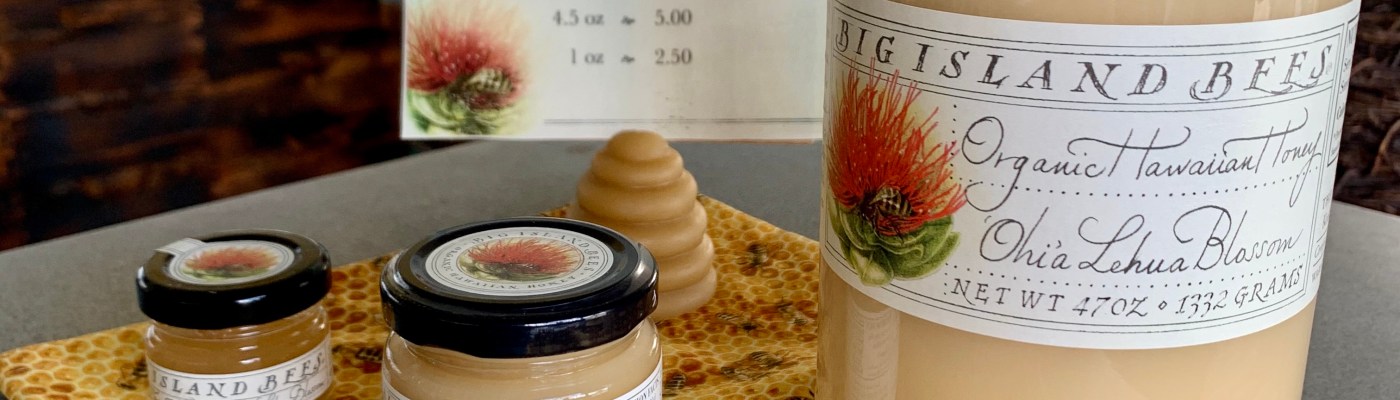
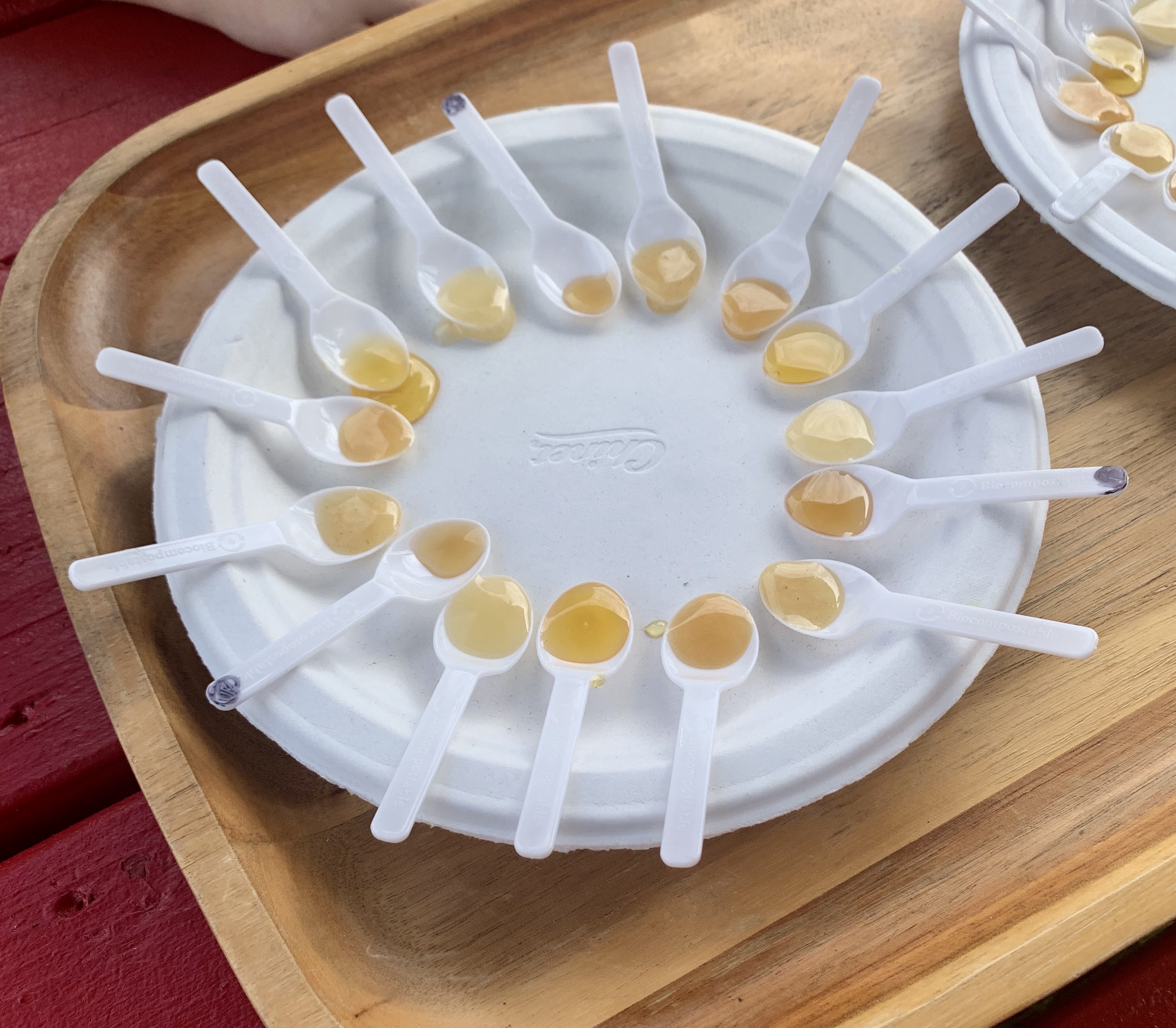
After concluding her welfare check and once all our questions have been exhausted, we once again head over to the picnic area. This time we are surprised with a plate full of tiny spoons, each with a different type of honey to sample. As we savor the flavor of each honey we learn Big Island Bees makes three single-floral blends. They achieve this by moving their bees three times a year to different parts of the island. At each destination, there is an abundance of one specific flower. The bees will solely gather nectar from those flowers, producing the unique flavors for each honey. The three flavors include Macadamia Nut Blossom Honey, Wilelaiki Honey, and the Lehua Honey. Lehua Honey is considered one of the world’s rarest types of honey, as it is only produced in Hawaii from the Ohi’a forests of Mauna Loa. It is a white, sugary honey and by far my favorite!
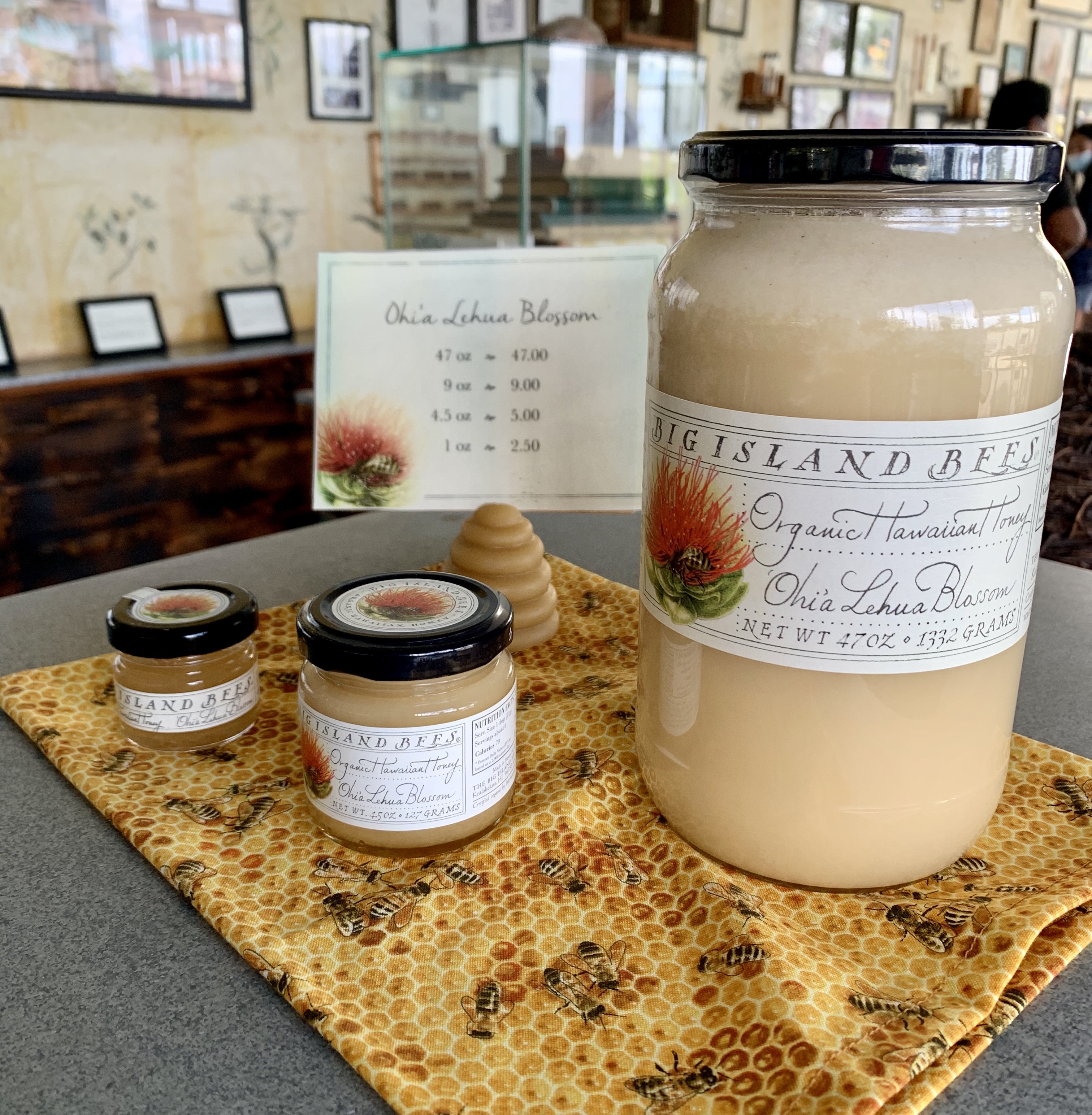
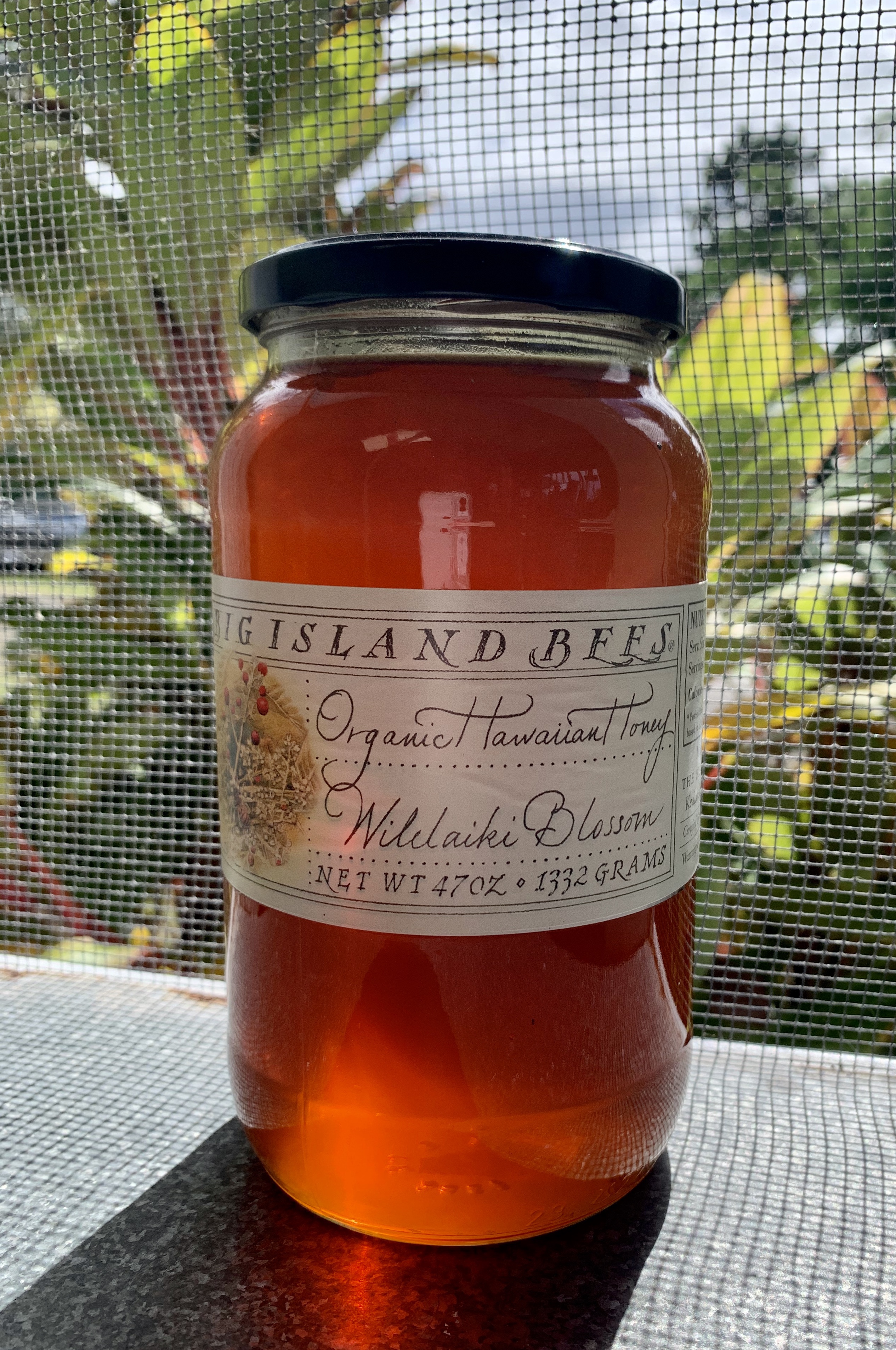
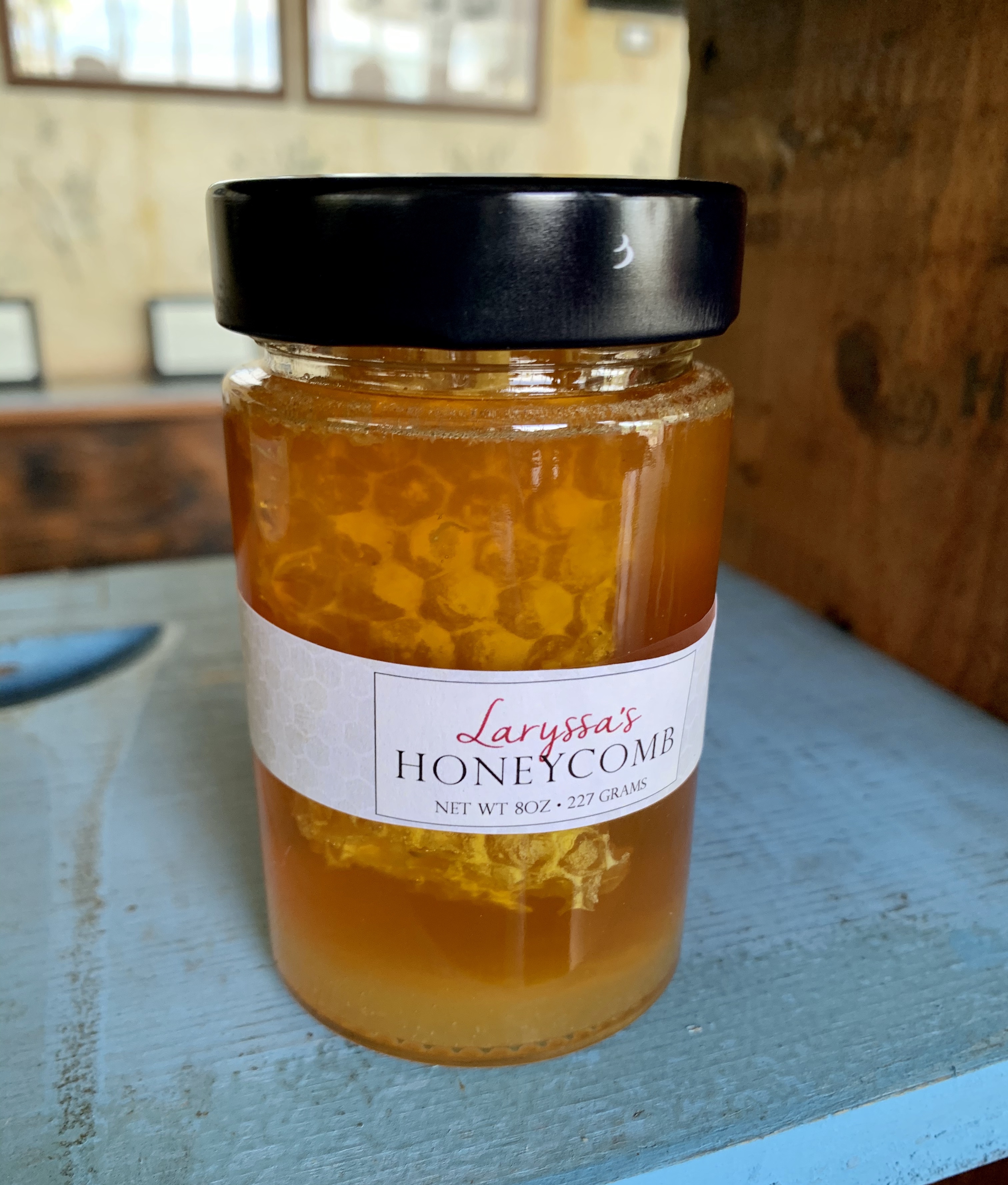
To be honest, before our field trip I thought all honey was treated equally. I had no idea that most store bought honey contains corn syrup or that there were so many different flavors of honey! Theoretically I want to become a beekeeper…but Lisa said it’s not uncommon to get stung numerous times each day. Soooo….I think I will just appreciate bees from afar and enjoy my jar of honey!
 The Cunningham Crew