Last school year, one of my favorite curriculums we used for our elementary/middle school kiddos was Masterbooks: Elementary U.S. Geography and Social Studies. For the next 50 units, we explored what makes each state unique: famous people, capital cities, science and technology, history markers, and God’s natural wonders. One of the biggest blessings about our travels was getting to experience all these wonderful places first-hand. What better way to make education ”stick” then by the pages of the textbooks coming alive! Quoting the words of a wise man…
Tell me and I forget. Teach me and I remember. Involve me and I learn.
Benjamin Franklin
So, in the name of education (which is a great excuse for lots of fun activities that can be labeled as “learning opportunities”) we had to stop at the infamous Mt. Washington while visiting New Hampshire this past fall.
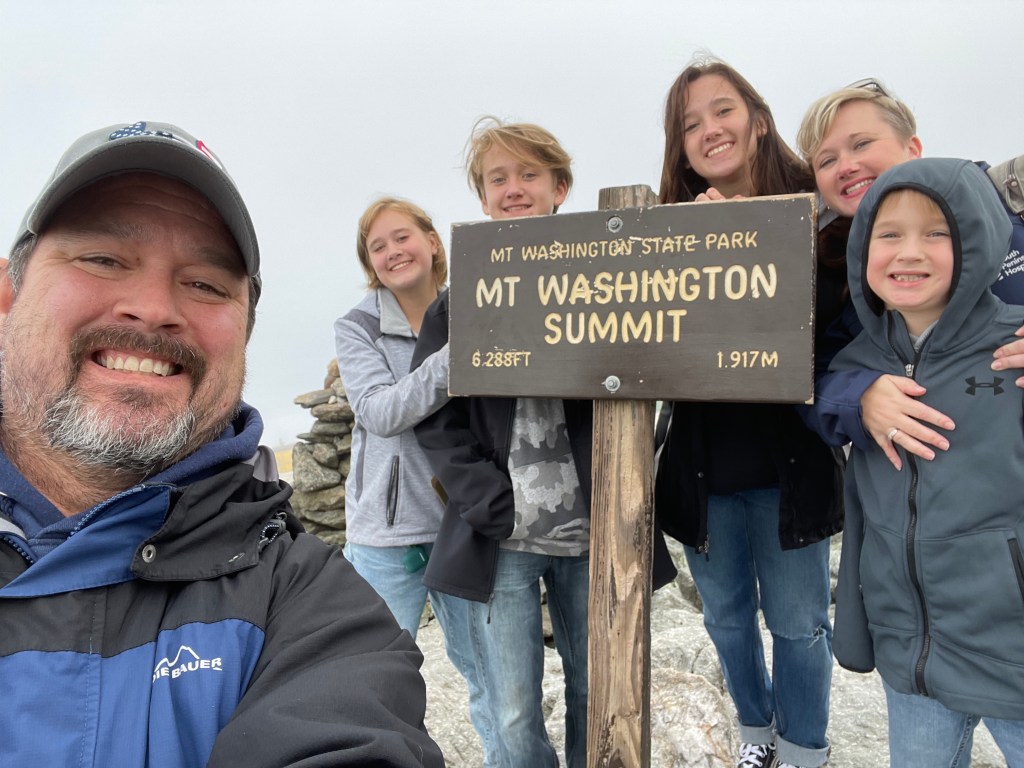
Situated within the Presidential Range, Mt. Washington is the tallest peak in the Northeastern part of the United States, with a height of 6,288 ft. For comparison sake, listed below are a few other famous U.S. summits we have visited:
- Denali (Mt. McKinley), Alaska – 20, 310 ft
- Mt. Rainer, Washington – 14, 411 ft
- Pike’s Peak, Colorado – 14, 115 ft
- Mauna Kea, Hawaii – 13, 803 ft
- Mt. St. Helens, Washington (post-eruption) – 8,363 ft
As you can see, Mt. Washington pales in comparison with some of the other more famous peaks dotted across the country. So what’s the big deal? Well, Mt. Washington is a little…moody, known for having some of the world’s most extreme weather. In fact, it holds the record for highest recorded wind speeds (with the exception of tornadoes) in the Northern and Western hemispheres at 231 mph on April 12, 1934. Because of its erratic weather, Mt. Washington has become a favorite among climbers training towards the ultimate feat, conquering Mt. Everest. Being far less adventurous and a little crunched on time, we opted to ride the Cog Railway up to the summit instead 😉.
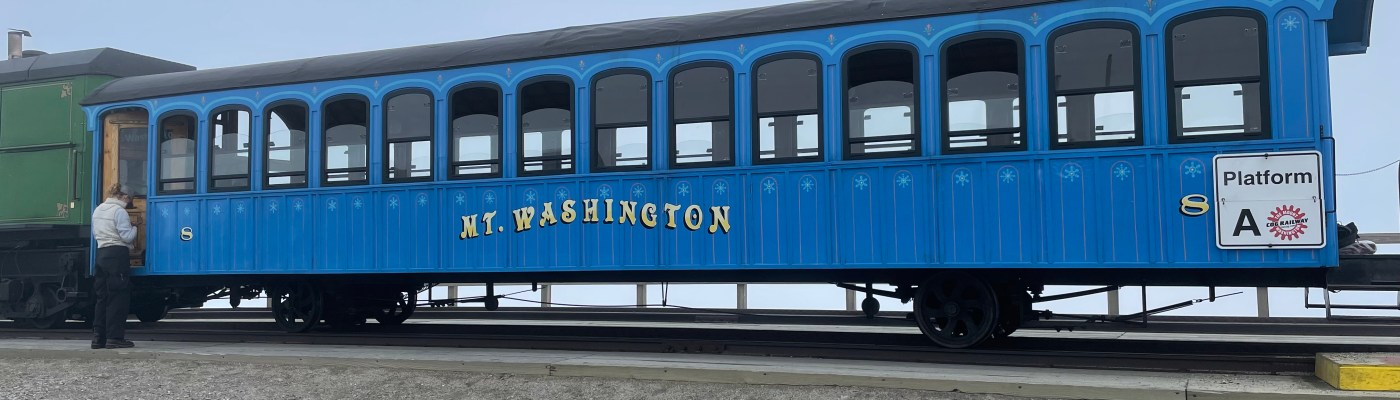
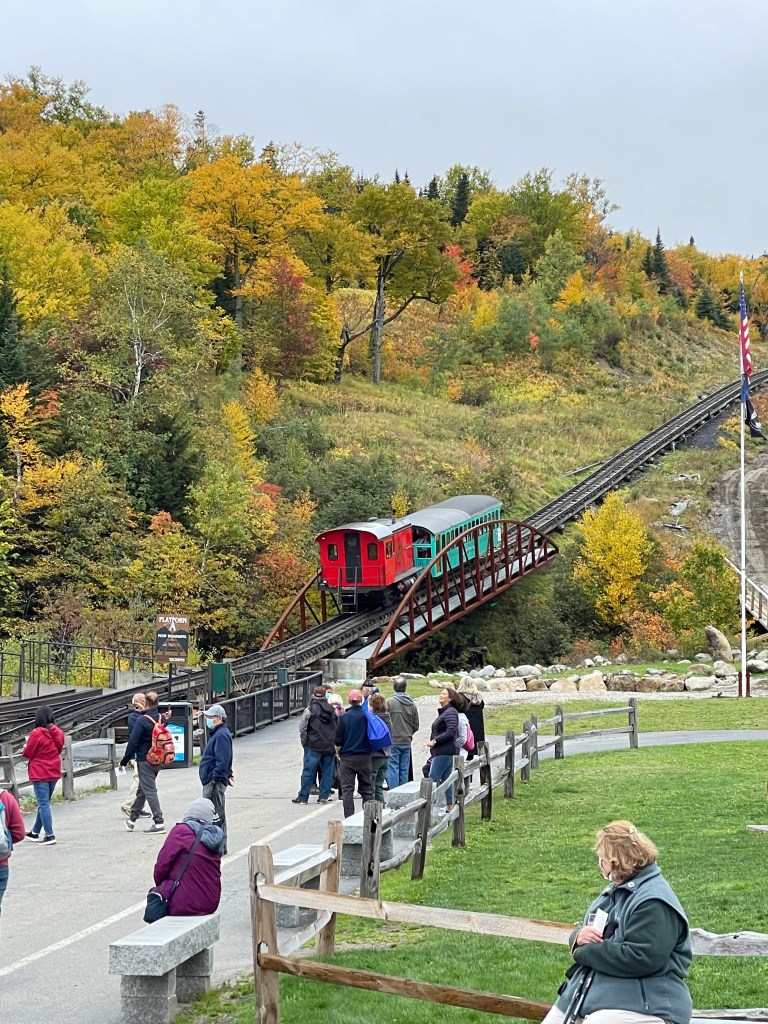
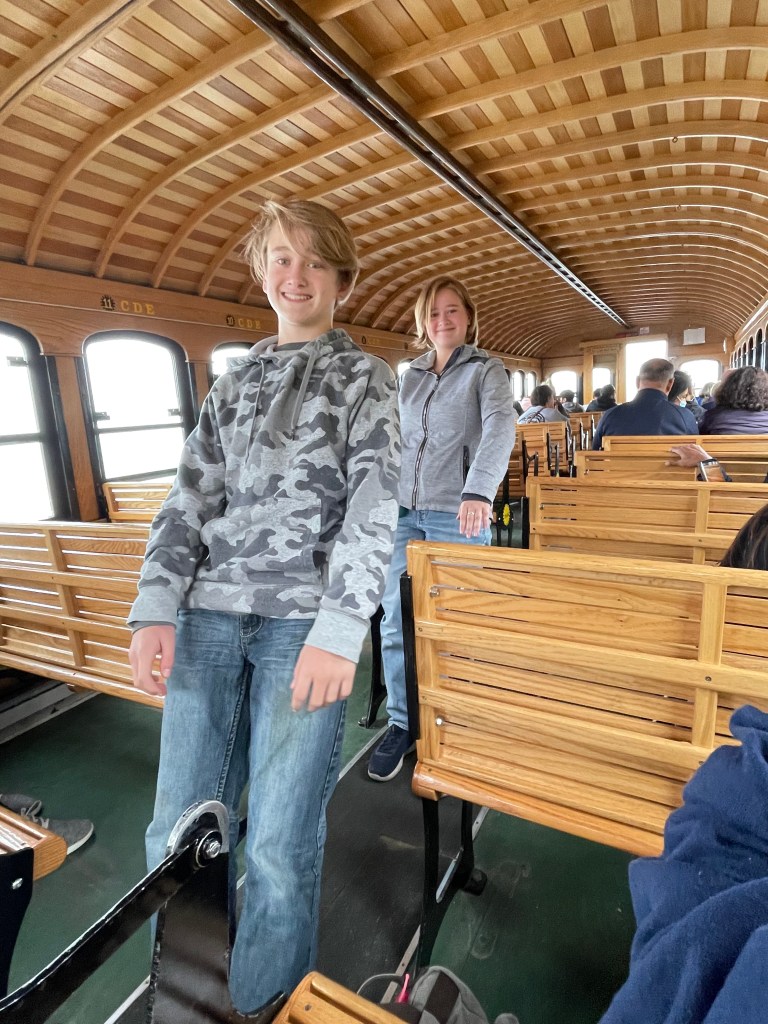
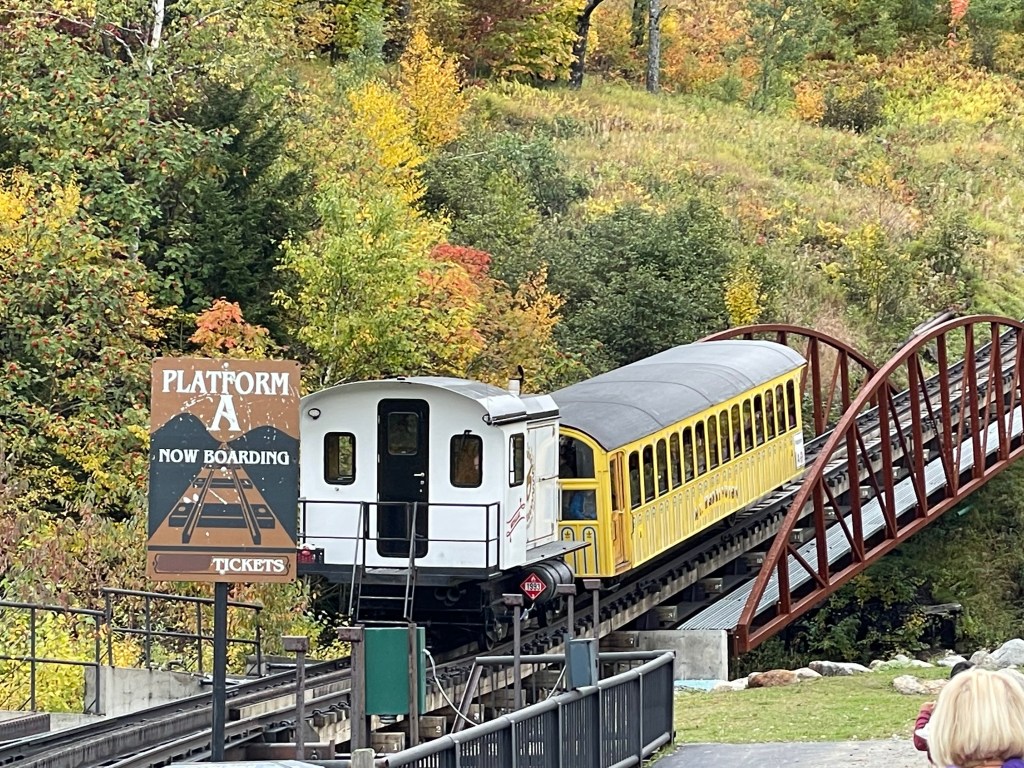
Built in 1868, this 3 mile-long track was the world’s first mountain-climbing cog railway. Each train pulls a single passenger car up the steep incline through 4 distinct ecozones, beginning with postcard-perfect New England forests and then slowly ascending through the clouds into the rocky alpine zone. After finding our seats, we enjoyed the clanky trudge up the mountainside for the next hour before arriving at the Mt. Washington Observatory. With an average incline of over 25%, the kids had a blast pacing up and down the aisle, leaning back on their heels just to be able to stand up straight!
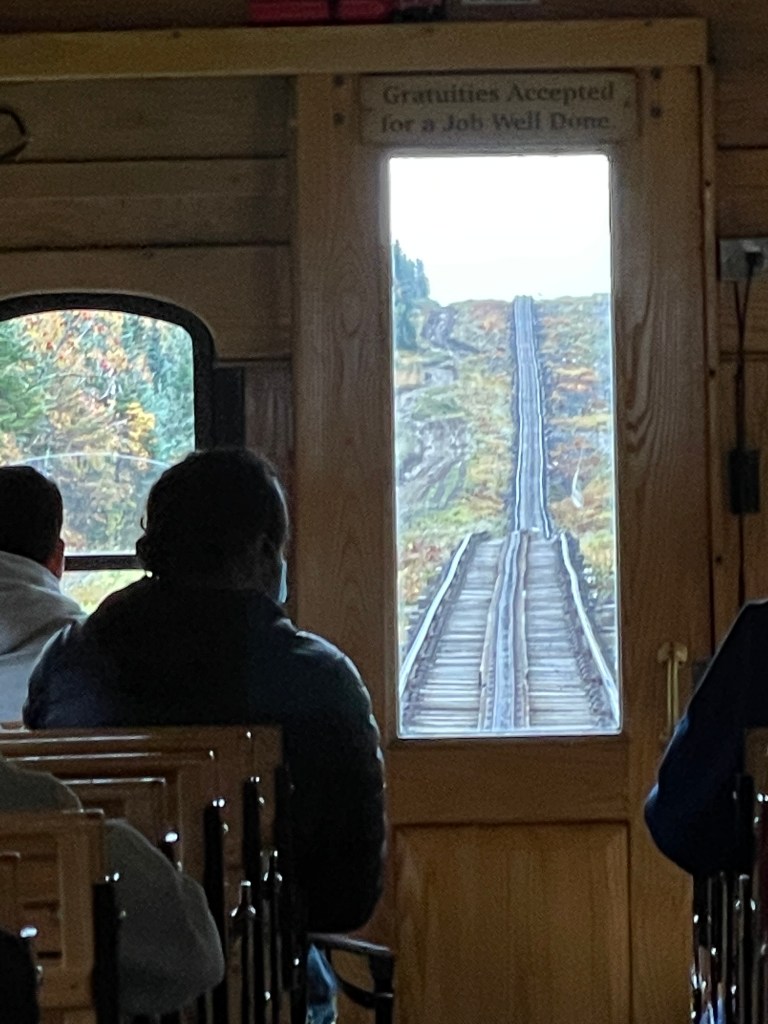
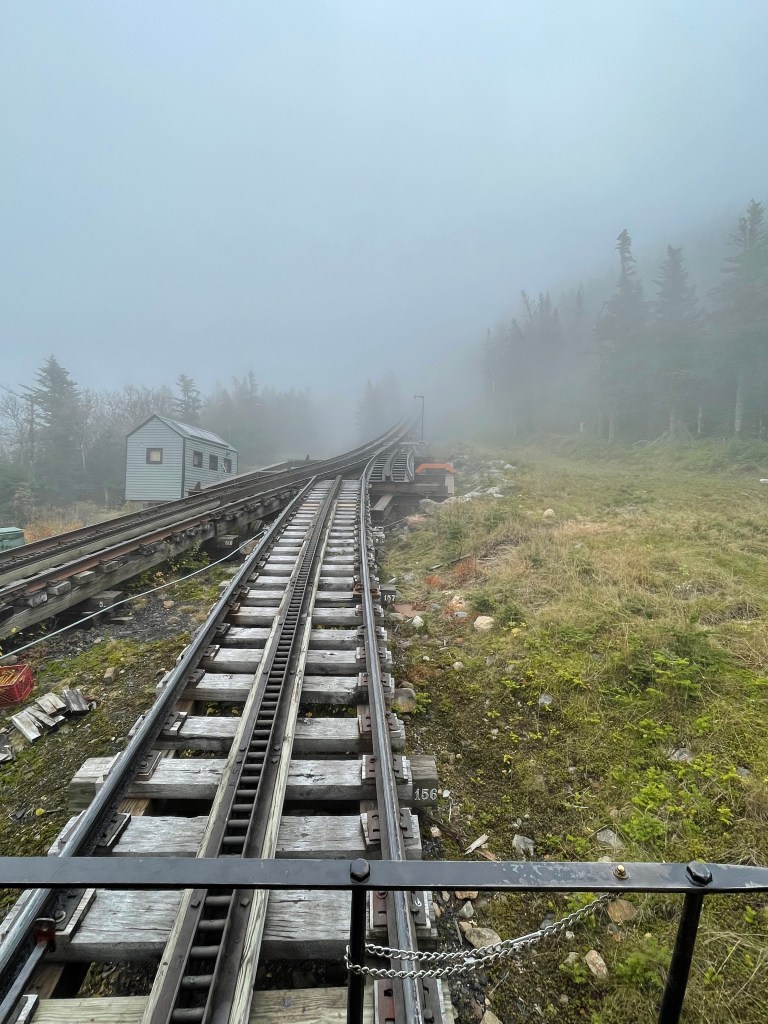
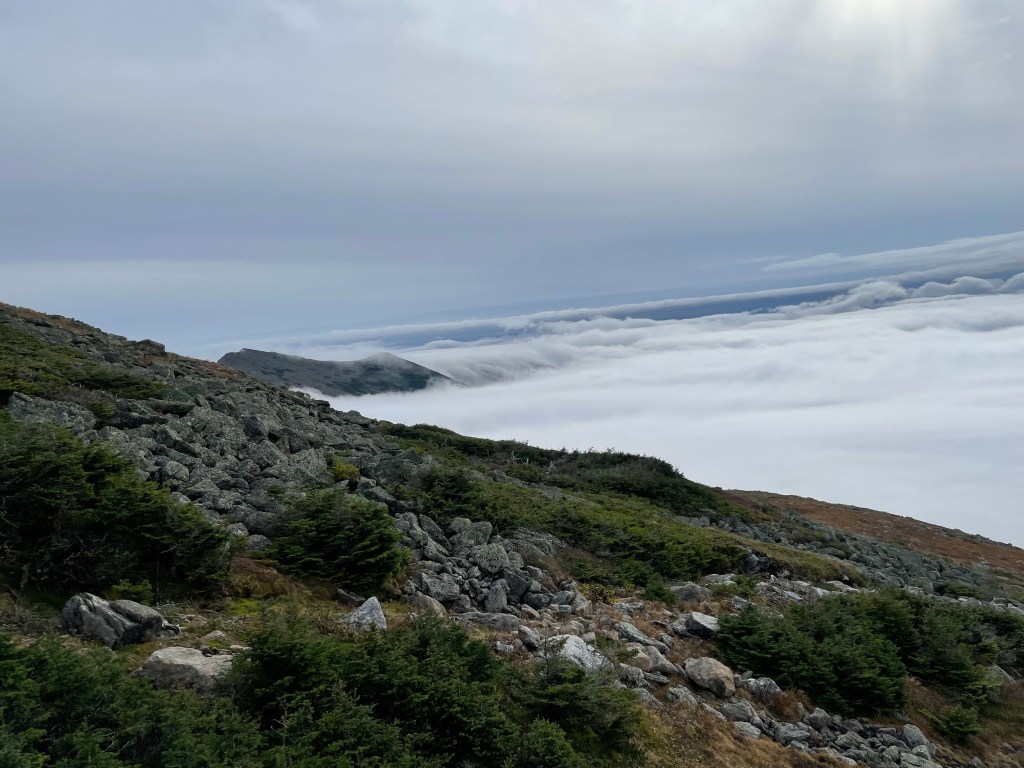
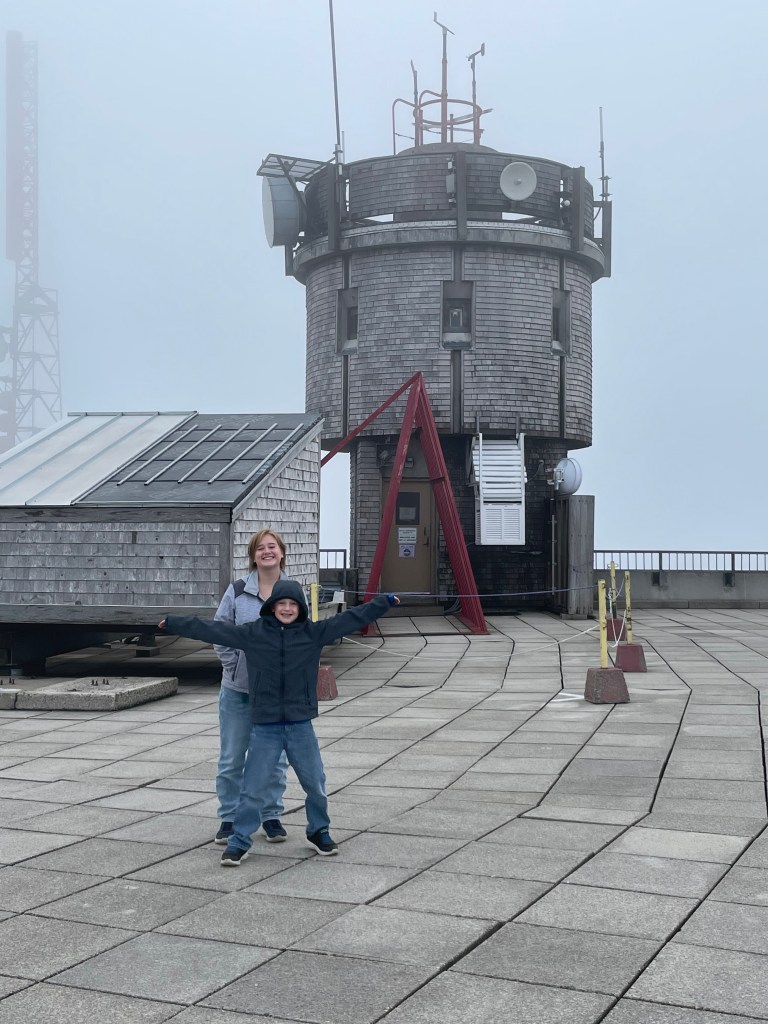
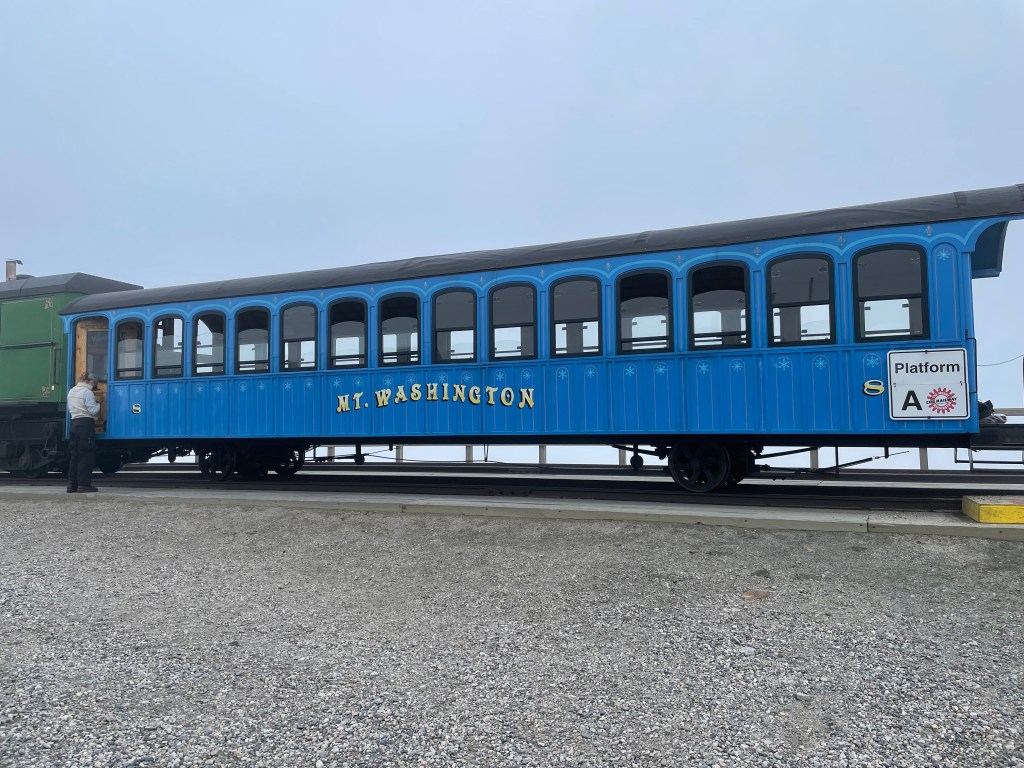
The weather was apparently the most cooperative it had been in weeks, showcasing clear skies with brilliant 360 degree views atop the summit. Stepping onto the platform we were greeted by brisk winds that stung our cheeks and whipped through our lightweight jackets. After soaking in the scenery, we decided to spend our time exploring the Weather Discovery Center and munching on a New England favorite, whoopie pies. Full of original artifacts and stories of brave adventurers, the history of Mt. Washington came alive as we strolled through the museum.
Before long, it was time to pile back into the railway car and head down the mountainside. Fun fact: In order to avoid riding backwards down the track, the seats are mounted on hinges, which can be flipped over to face the direction the train is traveling. Descending through the cloud line, rocky ridges once again became alive with the unmistakable colors of a New England fall. As the depot came into view, the chugga-chugga of the train slowly halted, the wheels screeched, and the brakes hissed. The forlorn cry of the whistle announced our arrival and simultaneously, the conclusion of our ride. Another fun adventure marked off the “Cunningham Crew” bucket list!
Education is what remains after one has forgotten what one has learned in school.
Albert Einstein
 The Cunningham Crew